
Top Business Trends in 2026 You Need to Know
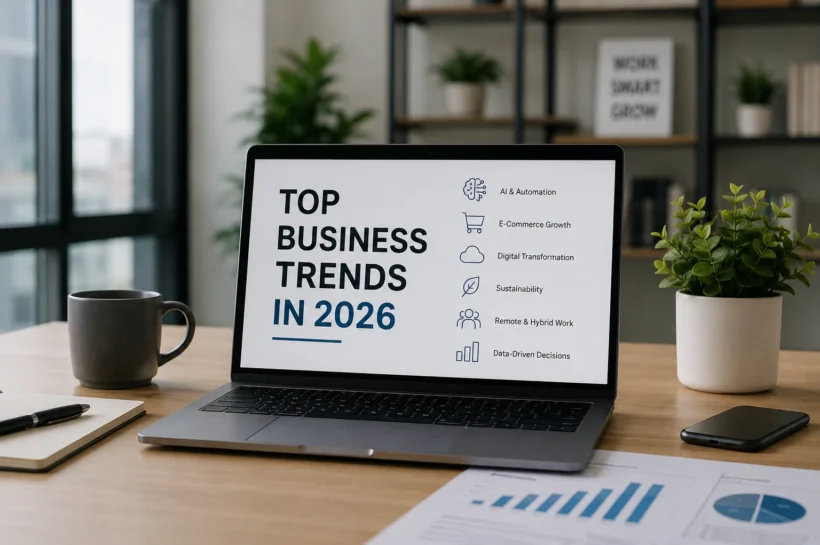
The business landscape in 2026 is evolving faster than ever. Technology is evolving quickly, customer expectations continue to shift, and companies are rethinking how they grow in a more competitive market. Businesses are no longer focused only on selling products or services; they’re investing in smarter systems, better customer experiences, and more flexible ways of working. From startups to global brands, companies are adapting to a new business environment where innovation and speed matter more than ever. The trends shaping 2026 are not short-term changes. They’re becoming part of how modern businesses operate, compete, and build for the future.
AI in Modern Business
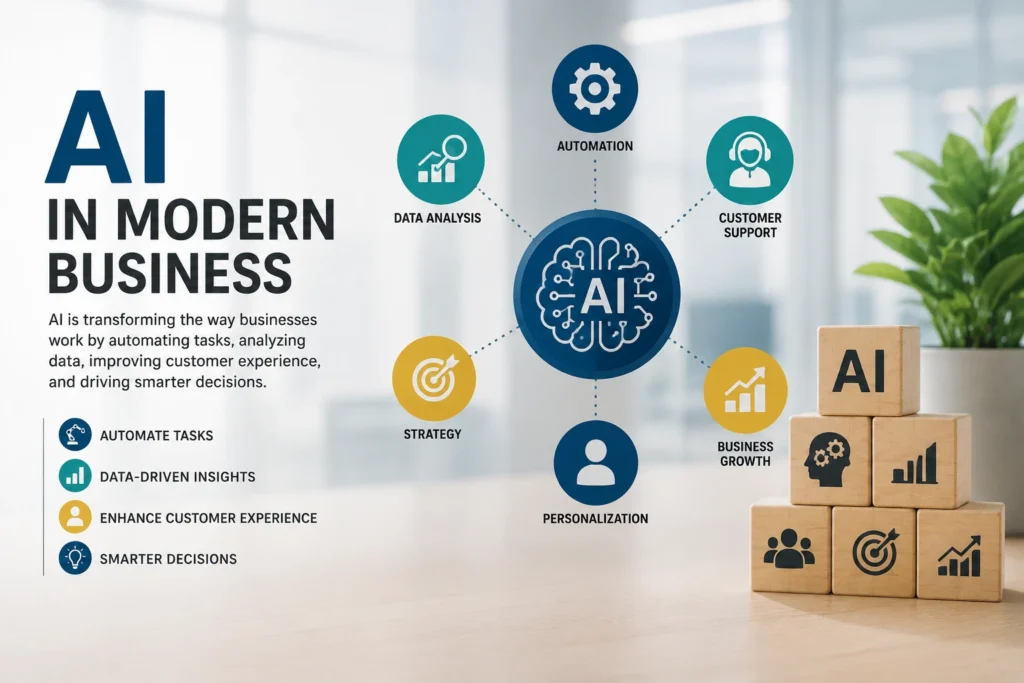
AI is reshaping the way businesses work across almost every industry. What once felt like a future concept is now part of daily business activity, from customer support and content creation to analytics and operations. Companies are using AI to save time, reduce repetitive work, improve decision-making, and create more personalized customer experiences. According to McKinsey & Company, AI adoption continues to rise worldwide as businesses see measurable gains in productivity and efficiency. The biggest reason is practical: businesses want smarter ways to work. Used strategically, AI isn’t replacing business leadership; it’s helping teams work faster, smarter, and with better results.
💚 You might also like: Top AI Tools for Students and Learning in 2026
Automation and Operational Efficiency
Automation is helping businesses simplify everyday operations in ways that were difficult just a few years ago. Tasks like reporting, scheduling, inventory tracking, invoicing, and internal workflows can now be managed with greater speed and accuracy using AI-powered tools. This saves time, reduces human error, and allows teams to focus more on strategy and growth instead of repetitive admin work. For many companies in 2026, automation is no longer optional; it has become part of running an efficient modern business.
Customer Personalization with AI
Customers now expect brands to deliver experiences that feel relevant to their needs, and AI is making that possible at scale. Businesses are using customer behavior, purchase history, and real-time data to recommend products, personalize marketing campaigns, and improve customer communication. Whether it’s tailored emails, smart product suggestions, or faster support responses, personalization helps customers feel understood. That stronger connection often leads to better engagement, stronger loyalty, and higher conversions.
Data-Driven Decision Making
Data plays a major role in business growth, but the real value comes from understanding what that data means. AI helps businesses turn large amounts of information into useful insights that support faster and better decisions. Companies can spot trends earlier, forecast demand more accurately, track performance in real time, and respond quickly when market conditions change. In 2026, businesses relying on data-backed decisions often move faster and compete more effectively than those depending only on guesswork.
Sustainability as a Business Strategy
Sustainability has become a core business priority in 2026 rather than just a marketing message. Businesses are paying closer attention to how products are made, how resources are used, and how operations impact the environment over time. Consumers are also becoming more aware of the brands they support, with many preferring businesses that show responsibility through sustainable packaging, ethical sourcing, and long-term environmental commitments. For modern businesses, sustainability is no longer just about reputation; it’s becoming part of long-term strategy, customer trust, and future growth.
The Future of Hybrid Work Mix
Hybrid work continues to shape the modern workplace in 2026 as businesses focus on balancing flexibility with performance. Many companies now operate with a mix of remote and in-office work, giving employees more control over how they manage their schedules while still staying connected with their teams. This shift is changing how businesses hire talent, build culture, and measure productivity. Rather than focusing on where work happens, companies are paying more attention to results, collaboration, and employee experience. For many businesses, hybrid work has become a long-term strategy instead of a temporary workplace trend.
Changing Workplace Culture
Workplace culture looks very different today compared to just a few years ago. Teams are collaborating across locations, meetings happen in more flexible ways, and leadership depends more on communication and trust than physical presence. Businesses are creating new ways to keep employees connected, engaged, and aligned even when they’re not in the same office every day. A strong culture in 2026 is built around shared goals, flexibility, and better communication across teams.
Employee Expectations and Flexibility
Employee expectations continue to evolve, and flexibility remains one of the biggest priorities for professionals in 2026. Many workers now value work-life balance, schedule control, and location flexibility just as much as salary. Businesses that offer flexible work environments are often better positioned to attract skilled talent and keep employees engaged over time. Flexibility has become less of a workplace benefit and more of a standard expectation in the modern business world.
E-Commerce Continues to Expand in Globle
E-commerce remains one of the strongest business trends in 2026 as more consumers choose the convenience of shopping online. Businesses of all sizes are investing in better websites, faster checkout experiences, mobile shopping, and direct-to-consumer strategies to meet changing customer expectations. Online buyers now expect speed, personalization, easy returns, and multiple payment options as standard. According to Statista, global e-commerce sales continue to grow year after year, making digital commerce a major driver of business revenue worldwide. Companies that improve their online buying experience are creating stronger customer loyalty and long-term growth opportunities.
Mobile Shopping Growth
Mobile shopping has become a major part of e-commerce as more people buy directly from smartphones instead of desktops. Customers browse products, compare prices, read reviews, and complete purchases in just a few taps. Businesses are responding by creating mobile-friendly websites, faster payment options, and smoother app experiences that make shopping easier from anywhere.
Social Commerce and Direct Sales
Social media is becoming a direct sales channel instead of just a marketing platform. Businesses are selling through platforms like Instagram, TikTok, and Facebook, where customers can discover and buy products without leaving the app. This creates faster buying journeys and stronger brand engagement through content-driven selling.
Customer Experience as a Competitive Advantage
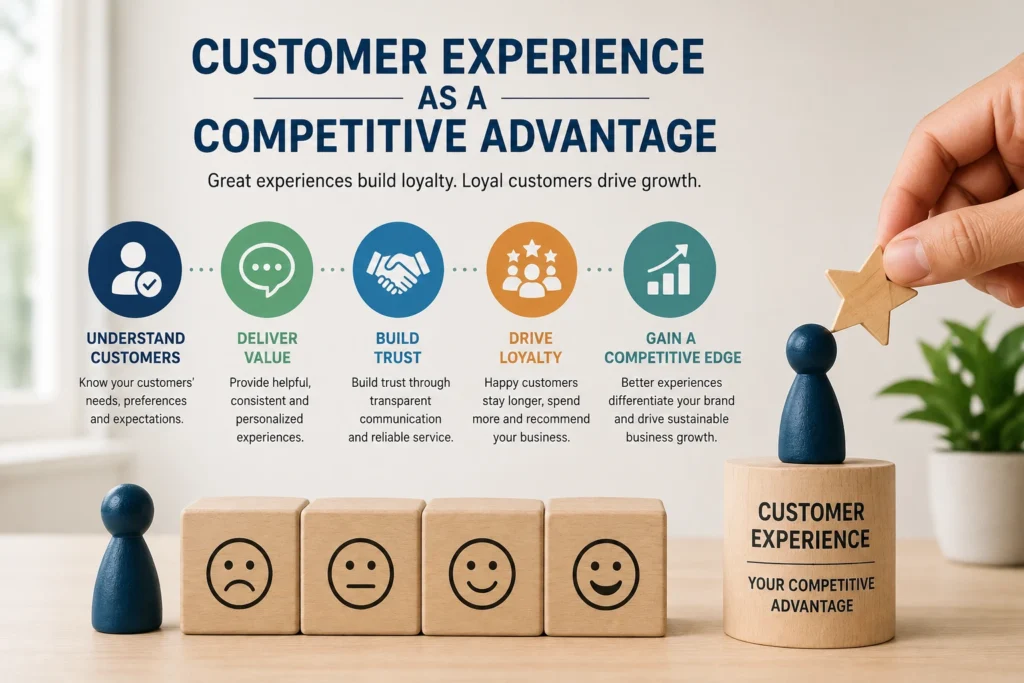
Customer experience is becoming one of the biggest factors that separates successful businesses from competitors in 2026. People are not just buying products anymore, they’re paying attention to how a brand communicates, how quickly support responds, how easy the buying process feels, and how valued they feel after a purchase. Businesses that deliver a smooth, personal, and reliable experience often build stronger trust and repeat business over time. In many industries, customer experience now influences loyalty just as much as price or product quality. Companies that focus on making every interaction better are gaining a real competitive edge.
💚 You might also like: Oncepik: The Easy Tool for Better Team Productivity in 2026
Faster Customer Support Expectations
Customers expect quick answers and easy support across every channel. Whether they contact a business through live chat, email, or social media, they want fast responses without unnecessary delays. Businesses using smarter support systems are improving customer satisfaction while building stronger long-term relationships.
Brand Loyalty Through Experience
Positive experiences often turn first-time buyers into loyal customers. When customers feel understood, supported, and appreciated, they’re more likely to return and recommend the business to others. In 2026, loyalty is increasingly being earned through experience rather than advertising alone.
The Rise of Subscription-Based Business Models
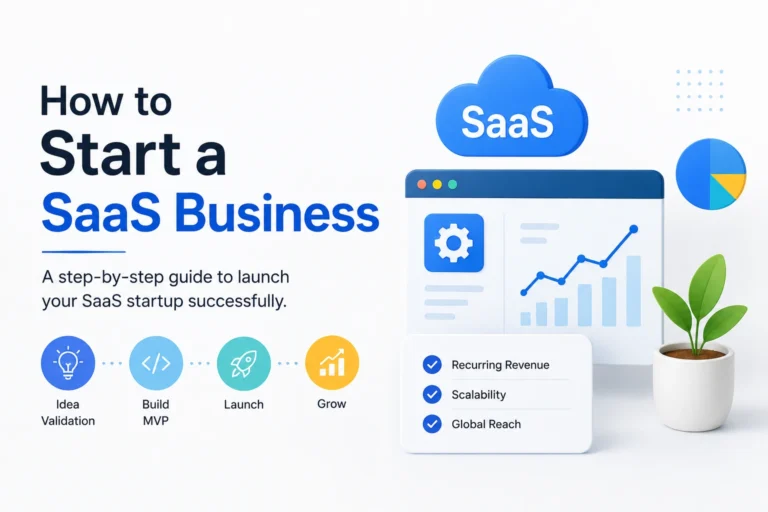
Subscription-based business models continue growing across multiple industries in 2026 because they offer predictable revenue and stronger customer retention. What began with streaming platforms has expanded into software, retail, wellness, education, food delivery, and even physical products. Customers like subscriptions because they offer convenience, flexibility, and ongoing access without repeated buying decisions. Businesses benefit because recurring revenue makes forecasting easier and creates longer-term relationships with customers. As competition increases, many companies are using subscription models to create steady growth while delivering ongoing value beyond a one-time sale.
Predictable Revenue Growth
Recurring subscriptions help businesses create a more stable income compared to one-time purchases. This gives companies clearer financial visibility and better planning for marketing, inventory, and expansion. Reliable recurring revenue is one of the biggest reasons more brands are moving toward subscription models.
Stronger Customer Retention
Subscriptions naturally keep customers connected to a brand over a longer period. Instead of focusing only on acquiring new customers, businesses can continue delivering value to existing users month after month. This often improves retention and increases customer lifetime value over time.
Digital Payments and Financial Technology in business
Digital payments are becoming a normal part of business operations in 2026 as consumers continue moving toward faster, contactless, and flexible payment methods. Businesses are accepting digital wallets, instant bank transfers, QR payments, buy-now-pay-later services, and mobile transactions to match changing customer preferences. Speed and convenience are driving adoption across both online and physical stores. Fintech innovation is also helping businesses manage payments, invoicing, payroll, and financial operations more efficiently. As digital transactions continue growing globally, companies that offer flexible payment experiences are often improving both sales and customer satisfaction.
Small Businesses Are Embracing Digital Transformation
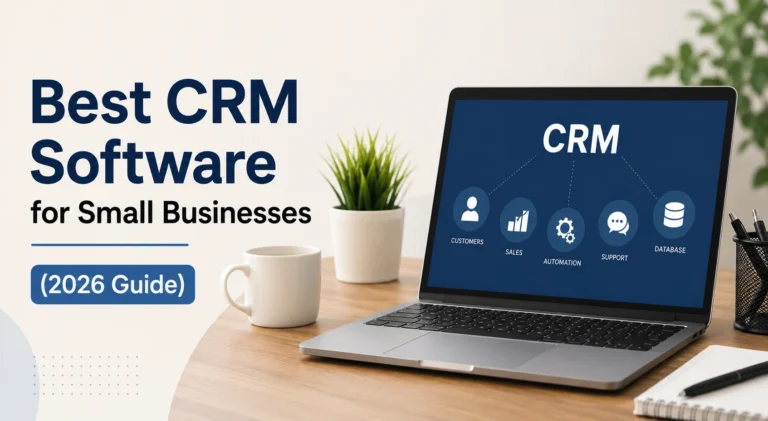
Digital transformation is no longer something only large corporations invest in. In 2026, small businesses are adopting digital tools faster than ever to stay competitive, improve efficiency, and serve customers better. From cloud-based software and AI assistants to online booking systems and automated marketing platforms, technology is helping small teams do more with fewer resources. Many business owners are using digital solutions to simplify operations, manage customer relationships, track performance, and increase online visibility. As technology becomes more accessible and affordable, digital transformation is becoming a practical growth strategy for businesses of every size.
Cloud-Based Business Tools
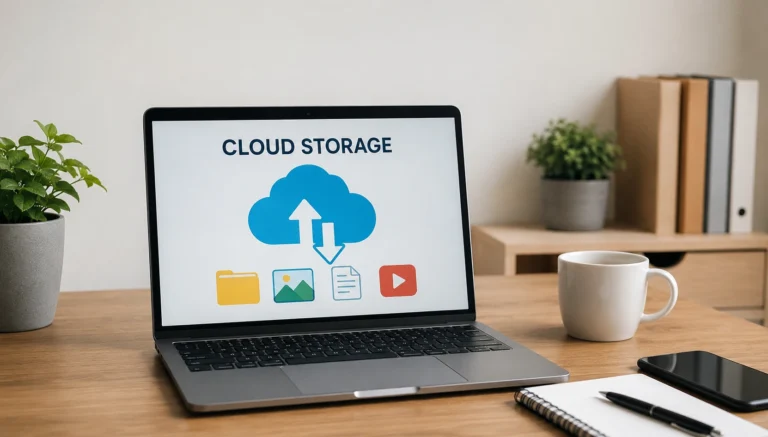
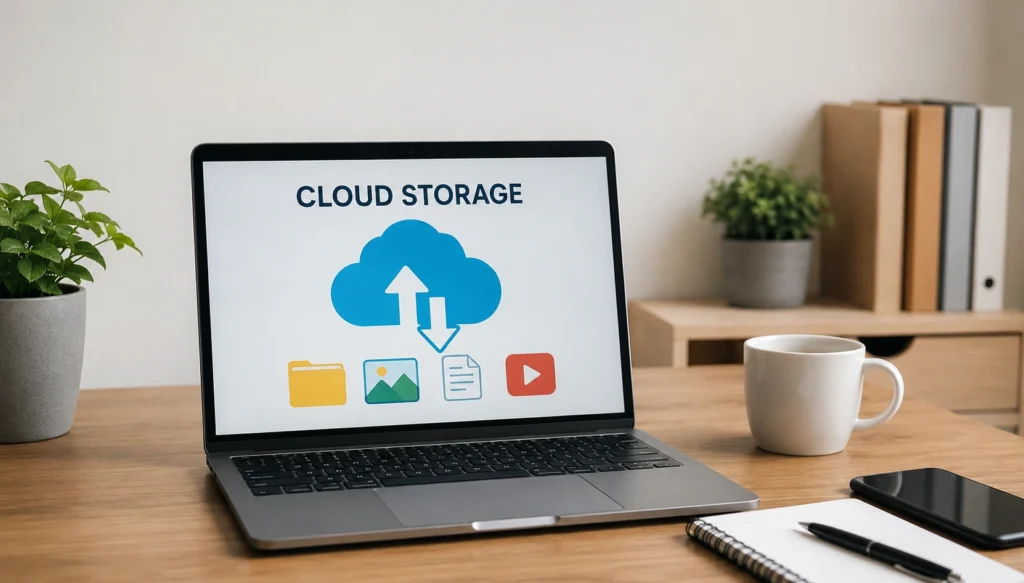
Cloud technology is making business operations easier, faster, and more flexible. Small businesses are using cloud platforms for file storage, collaboration, accounting, communication, and project management without needing expensive infrastructure. These tools help teams stay connected while keeping work accessible from anywhere.
Smarter Marketing Through Technology
Digital tools are also changing how businesses approach marketing. Companies can now automate emails, track customer behavior, schedule content, and monitor results in real time. This helps business owners make better marketing decisions while saving both time and budget.
Employee Well-Being Is Becoming a Business Priority
Employee well-being continues to play a bigger role in business strategy throughout 2026. Companies increasingly understand that productivity is closely connected to employee satisfaction, mental health, flexibility, and work-life balance. Businesses are investing more in healthier work environments, flexible scheduling, wellness benefits, and stronger internal support systems because engaged employees often perform better and stay longer. Workplace culture is shifting toward sustainability, not just for the business itself, but for the people behind it. Companies prioritizing employee well-being are often seeing stronger retention, better performance, and more resilient teams overall.
The Data Privacy and Consumer Trust Matter More Than Ever in Businesses
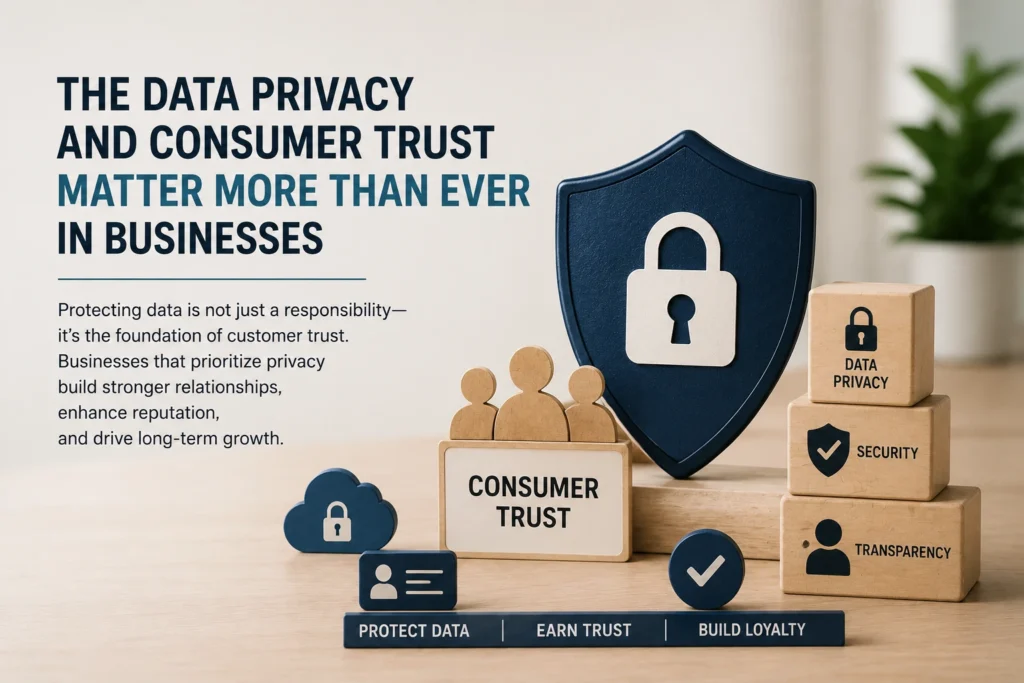
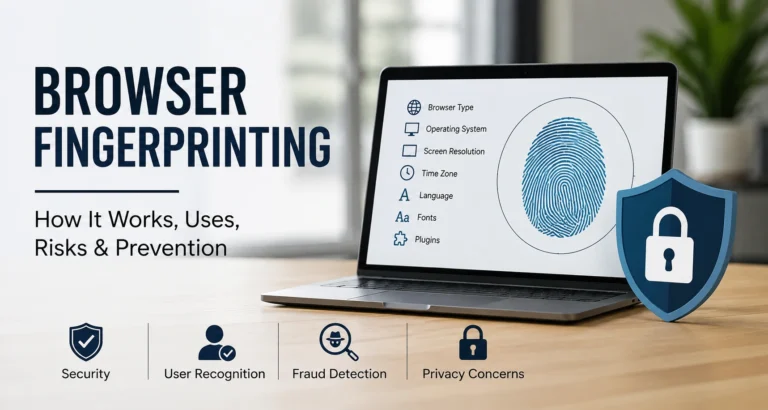
As businesses collect more digital information, data privacy is becoming a bigger concern in 2026 for both companies and customers. Consumers are paying closer attention to how businesses collect, store, and use personal data online. Transparency, security, and responsible data handling are now important parts of brand trust. Businesses that clearly communicate privacy policies and protect customer information often build stronger relationships with their audience. Trust has become a major business asset, and companies that take privacy seriously are better positioned to keep customer confidence over time.
Transparency Builds Customer Confidence
Customers want clarity about what happens to their data after they share it online. Businesses that communicate openly about privacy and data use often create stronger trust and reduce hesitation during signups, purchases, or digital interactions.
Security as a Business Standard
Cybersecurity is now part of everyday business operations rather than a technical add-on. Companies are investing more in secure payment systems, account protection, and safer digital infrastructure to protect both business data and customer information.
Frequently Asked Questions
What are the biggest business trends in 2026?
The biggest business trends in 2026 include AI adoption, e-commerce growth, hybrid work, sustainability, and digital payments.
Why is AI important for businesses in 2026?
AI helps businesses automate tasks, improve productivity, and make faster, smarter decisions using real-time data.
How is e-commerce changing in 2026?
E-commerce is becoming more mobile, personalized, and focused on faster shopping experiences across digital platforms.
Why does customer experience matter in business growth?
A strong customer experience builds trust, improves loyalty, and encourages repeat purchases over time.
Is hybrid work still growing in 2026?
Yes, many businesses continue using hybrid work models to support flexibility, productivity, and employee satisfaction.
How are small businesses using digital transformation?
Small businesses are using digital tools for marketing, automation, customer management, and daily operations.
Why is sustainability important for businesses today?
Sustainability helps businesses build customer trust while supporting long-term environmental and business goals.
What role do digital payments play in 2026?
Digital payments make transactions faster, easier, and more convenient for both businesses and customers.
Why is employee well-being becoming a business priority?
Businesses are focusing on employee well-being because healthier teams often perform better and stay longer.
How can businesses stay competitive in 2026?
Businesses can stay competitive by adapting quickly, using technology wisely, and focusing on customer needs.
Conclusion
Business trends in 2026 reflect a larger shift toward smarter technology, stronger customer relationships, greater flexibility, and long-term sustainability. From artificial intelligence and digital payments to employee well-being and e-commerce growth, businesses are adapting to a world that continues to change quickly. The most successful companies are not simply following trends, they’re learning how to turn those changes into opportunities for growth. Businesses that stay flexible, pay attention to customer needs, and continue evolving with the market are more likely to stay competitive not just in 2026, but well beyond it.
✨ Want bite-sized tech wisdom? Follow Tech Baaz.