
Best Email Marketing Tools in 2026 | Top Platforms Compared
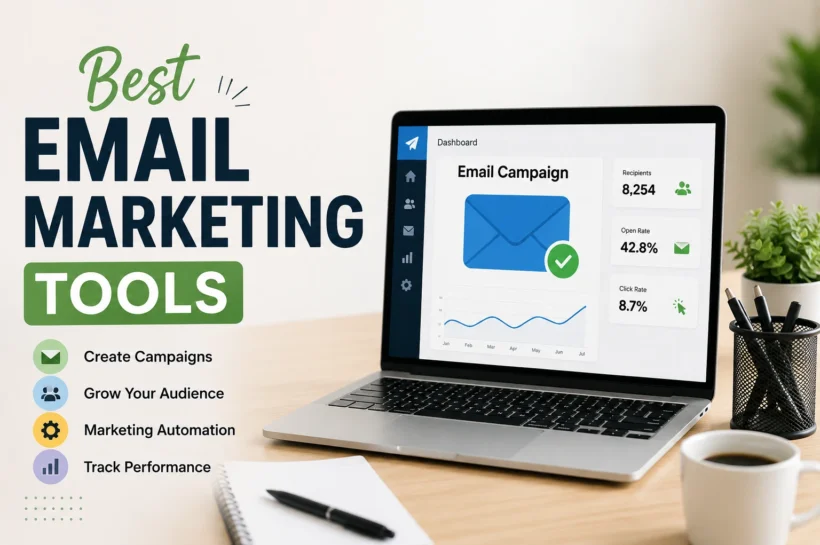
Email marketing tools are software platforms that help businesses create, send, automate, and track email campaigns at scale. Instead of manually sending emails, these tools allow you to manage subscriber lists, design professional newsletters, and monitor performance from one dashboard. Most modern platforms also include automation features, segmentation, and AI-based personalization. In simple terms, they help you turn email into a predictable growth channel that builds relationships, drives traffic, and increases sales without requiring constant manual effort from your marketing team or business owner.
Why Email Marketing Tools Matter in 2026
In 2026, email marketing remains one of the highest ROI digital channels, often delivering $36+ for every $1 spent according to widely cited industry benchmarks. Businesses rely on email tools because they automate communication, improve customer targeting, and reduce wasted effort. With rising competition and stricter privacy rules, personalized and data-driven campaigns are essential. Email platforms help brands stay consistent, nurture leads over time, and convert subscribers into loyal customers through structured journeys, making them a core part of modern digital marketing strategies.
Key Features of Email Marketing Platforms
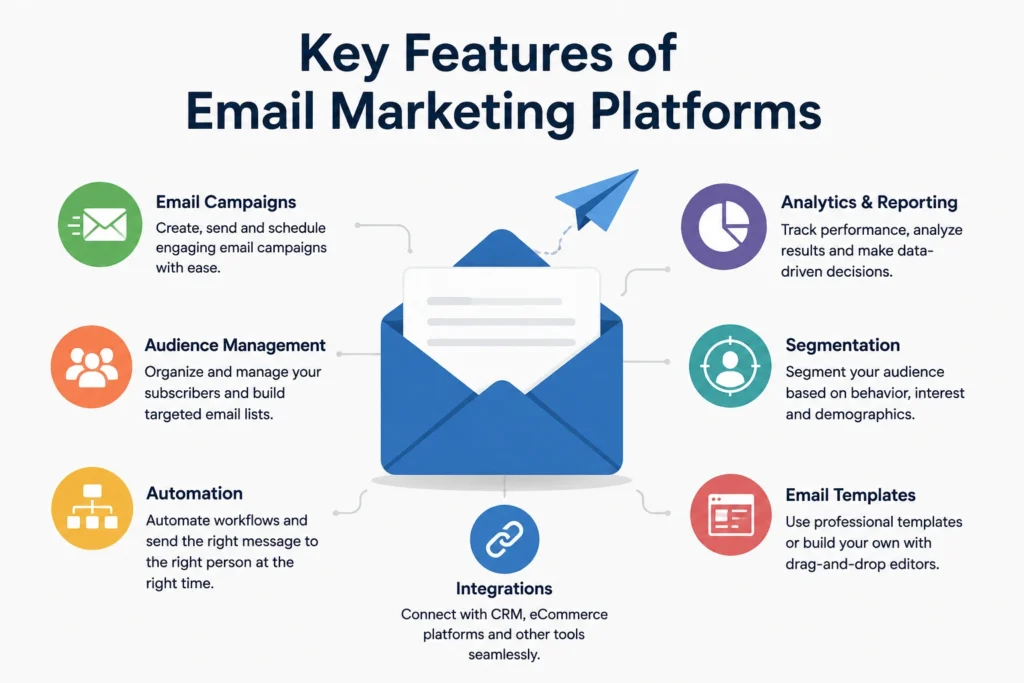
Modern email marketing platforms are no longer just about sending newsletters. They now combine automation, CRM features, and advanced analytics to support full-funnel marketing strategies. A strong platform should allow you to design emails easily, segment your audience based on behavior, and track real-time performance metrics like open rates and conversions. Many tools also integrate with e-commerce platforms and CRMs, helping businesses create personalized customer journeys. The right features can significantly improve engagement, retention, and overall marketing ROI.
💚 You might also like: Schedow 2026: A Practical Guide to Modern Scheduling
HubSpot Email Marketing
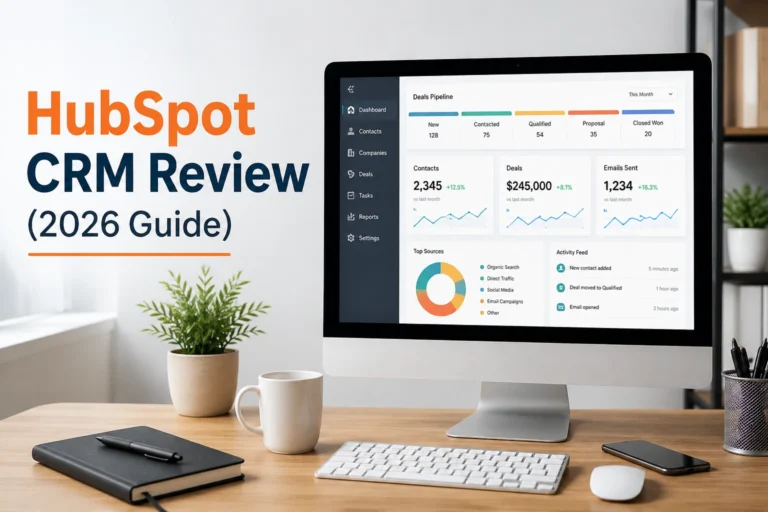
HubSpot combines email marketing with a powerful CRM system, making it ideal for businesses that want everything in one place. It allows you to create automated workflows, track customer behavior, and send highly personalized emails based on user data. Its drag-and-drop editor is beginner-friendly, while advanced automation supports complex campaigns. HubSpot is widely used by growing businesses because it connects marketing, sales, and customer data seamlessly, helping teams build long-term customer relationships through smart and data-driven communication strategies.
Mailchimp
Mailchimp is one of the most popular email marketing tools, especially for beginners. It offers an easy drag-and-drop editor, pre-built templates, and simple automation features that help users launch campaigns quickly. Over time, Mailchimp has expanded into a full marketing platform with audience segmentation and basic CRM tools. It is widely chosen by small businesses and startups because it balances simplicity with essential marketing features, allowing users to start email marketing without needing technical skills or advanced setup knowledge.
ActiveCampaign – Advanced Automation & CRM
ActiveCampaign is known for its powerful automation and customer experience tools. It allows businesses to build highly detailed workflows based on user behavior, purchase history, and engagement patterns. Its built-in CRM helps sales and marketing teams work together efficiently. Unlike basic tools, ActiveCampaign focuses heavily on predictive automation and personalization, making it a strong choice for businesses that want to scale. It is especially popular among marketers who need advanced segmentation and conversion-focused email campaigns.
Brevo
Brevo, formerly known as Sendinblue, is a powerful multi-channel marketing platform designed for businesses that want more than just email campaigns. It combines email, SMS, WhatsApp, and automation in one system, making it highly cost-effective for growing brands. Its strength lies in transactional emails and CRM-based segmentation. Businesses can send behavior-triggered messages, manage contacts, and run marketing workflows without switching tools. Brevo is especially popular among startups and SMEs due to its flexible pricing and strong delivery rates.
ConvertKit
ConvertKit is built specifically for content creators, bloggers, and digital entrepreneurs who want to grow and monetize their audience. Unlike complex enterprise tools, ConvertKit focuses on simplicity and ease of use. It offers visual automation funnels, landing pages, and subscriber tagging to manage audiences effectively. Creators can easily send newsletters, product launches, and automated sequences. Its clean interface and creator-first approach make it ideal for users who prioritize content-driven email marketing over advanced corporate-level CRM features.
Klaviyo
Klaviyo is a leading email marketing platform for e-commerce businesses, especially Shopify and WooCommerce stores. It uses advanced customer data analytics to create highly personalized email and SMS campaigns. Businesses can trigger emails based on browsing behavior, purchase history, and cart activity. Klaviyo’s strength lies in its deep segmentation and predictive analytics, which help increase customer lifetime value. It is widely used by fast-scaling online stores that want data-driven marketing automation and high-conversion campaigns.
How to Choose the Right Email Marketing Tool
Choosing the right email marketing tool depends on your business size, goals, and technical needs. If you are a beginner, simplicity and ease of use should be your top priority. For e-commerce brands, automation and product-based personalization matter more. Always consider pricing, scalability, and integration options with your existing tools, like Shopify or CRMs. Also, check the deliverability rates and customer support quality. A good platform should grow with your business, not limit it as your email list expands.
Feature Requirements Based on Business Type
Different businesses need different features. Small businesses usually focus on affordability and ease of use, while e-commerce stores need advanced automation and segmentation. Agencies require multi-account management, while creators prioritize simple newsletters and audience growth tools. Understanding your exact use case helps you avoid paying for unnecessary features and ensures better long-term results from your email marketing strategy.
Pricing, Scalability, and Budget Fit
Pricing is one of the most important factors when selecting an email marketing platform. Some tools offer free plans with limited features, while others charge based on subscriber count or email volume. Scalability is equally important because your costs will increase as your audience grows. The best tool is one that fits your current budget but also supports future expansion without forcing you to migrate later.
Email Marketing Tools Comparison Table
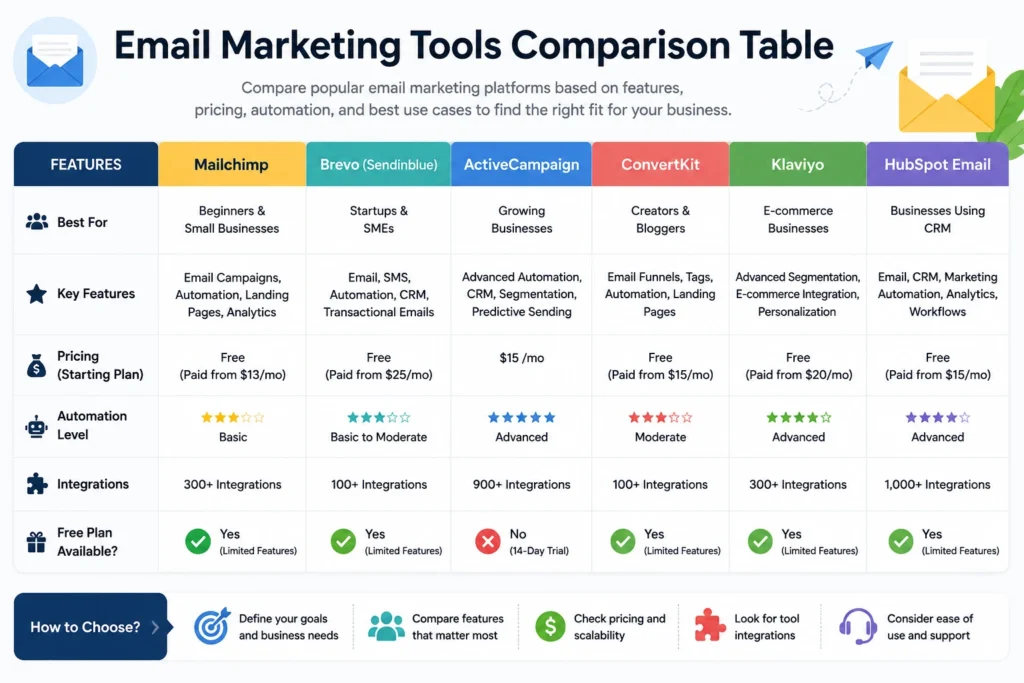
| Tool | Best For | Key Features | Pricing Model | Free Plan |
| HubSpot | All-in-one CRM marketing | Automation, CRM, analytics | Freemium + Paid tiers | Yes |
| Mailchimp | Beginners & SMBs | Templates, basic automation | Subscriber-based | Yes |
| ActiveCampaign | Advanced marketers | Deep automation, CRM | Tiered pricing | No (trial only) |
| Brevo | Multi-channel marketing | Email + SMS + WhatsApp | Email volume-based | Yes |
| ConvertKit | Creators & bloggers | Funnels, tagging | Subscriber-based | Yes |
| Klaviyo | E-commerce brands | Predictive analytics | Contact-based | Yes |
Which Email Marketing Tool Is Right for You?
The best email marketing tool depends entirely on your business model and goals. If you want an all-in-one system, HubSpot is a strong choice. For beginners, Mailchimp offers the easiest entry point. E-commerce brands should consider Klaviyo for its powerful personalization, while creators will find ConvertKit more aligned with their workflow. If you need multi-channel marketing, Brevo is a cost-effective solution. Ultimately, the right tool is the one that balances features, budget, and scalability for your specific needs.
💚 You might also like: Best Passive Income Ideas for Beginners (2026 Guide)
Leading Email Marketing Platforms for E-commerce
E-commerce businesses rely heavily on email marketing to drive sales, recover abandoned carts, and increase repeat purchases. Platforms like Klaviyo and ActiveCampaign stand out because they integrate deeply with online stores and customer data. These tools allow brands to send highly targeted product recommendations and behavior-based emails. For e-commerce, personalization is everything, and the right platform can significantly improve conversion rates by delivering the right message at the right time.
Automation for Sales Funnels & Abandoned Carts
Automation is critical for e-commerce success. Abandoned cart emails alone can recover a significant percentage of lost sales by reminding customers about unfinished purchases. Advanced tools trigger emails based on user behavior, such as product views or checkout activity. This helps businesses create full sales funnels that work automatically, increasing revenue without requiring constant manual intervention from marketing teams.
Customer Data Utilization & Product Personalization
Modern email platforms collect and analyze customer behavior to deliver personalized product recommendations. This includes purchase history, browsing patterns, and engagement levels. By using this data, businesses can send highly relevant offers that increase click-through rates and customer lifetime value. Personalization is no longer optional in e-commerce; it is a core driver of revenue growth and customer retention.
Beginner-Friendly Email Marketing Platforms
Beginners need tools that remove complexity and allow them to launch campaigns quickly. Platforms like Mailchimp and ConvertKit are ideal because they offer drag-and-drop editors, simple automation, and guided workflows. These tools help new marketers understand email marketing without technical barriers. The goal at this stage is learning and experimentation, so ease of use and clear reporting are more important than advanced enterprise features.
Free Email Marketing Platforms Worth Trying
Free email marketing tools are a great starting point for startups and small projects. Many platforms like Brevo, Mailchimp, and ConvertKit offer free plans with limited features but enough functionality to build and grow an email list. However, free plans usually come with restrictions on subscriber count, branding, or automation. They are best used for testing strategies before upgrading to a paid plan as your business scales.
Frequently Asked Questions
What is the best email marketing tool for beginners?
The best tools for beginners are Mailchimp and ConvertKit because they offer simple interfaces, drag-and-drop editors, and easy automation. These platforms help new users start campaigns quickly without needing technical experience or advanced setup knowledge.
Which platform offers the most powerful automation?
ActiveCampaign is widely known for its advanced automation capabilities. It allows users to build complex workflows based on behavior, tags, and customer interactions, making it ideal for businesses focused on scaling and personalization.
Are free email marketing tools enough for business use?
Free tools are useful for startups and testing strategies, but they come with limitations such as subscriber caps and reduced features. As a business grows, upgrading to paid plans becomes necessary for better automation, analytics, and deliverability.
What features should I prioritize in email marketing software?
Key features include automation, segmentation, deliverability, analytics, and integrations. The right combination depends on your business type, but automation and segmentation are generally the most important for improving engagement and conversions.
Conclusion
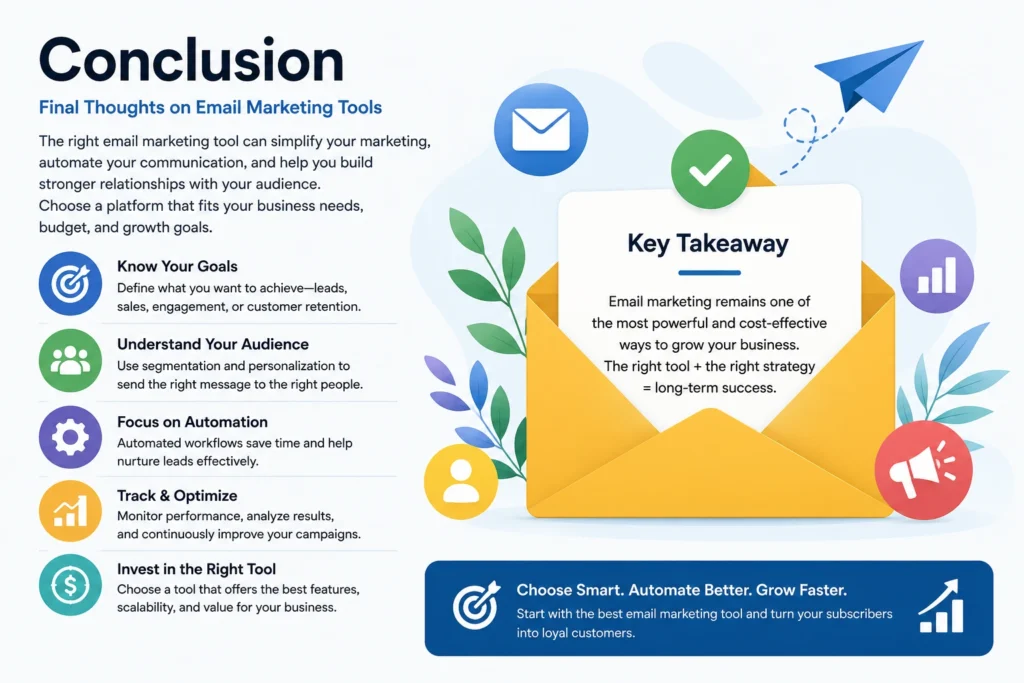
Choosing the right email marketing tool depends on your goals, budget, and business stage. Beginners should start with simple tools like Mailchimp, while ecommerce brands benefit more from Klaviyo’s personalization features. For advanced marketing automation, ActiveCampaign and HubSpot offer powerful all-in-one solutions. Ultimately, the best platform is the one that aligns with your strategy, scales with your growth, and helps you build stronger customer relationships over time.
✨ Want bite-sized tech wisdom? Follow Tech Baaz.