

Customer Intelligence: Unlock Strategic Insights with CRM Software
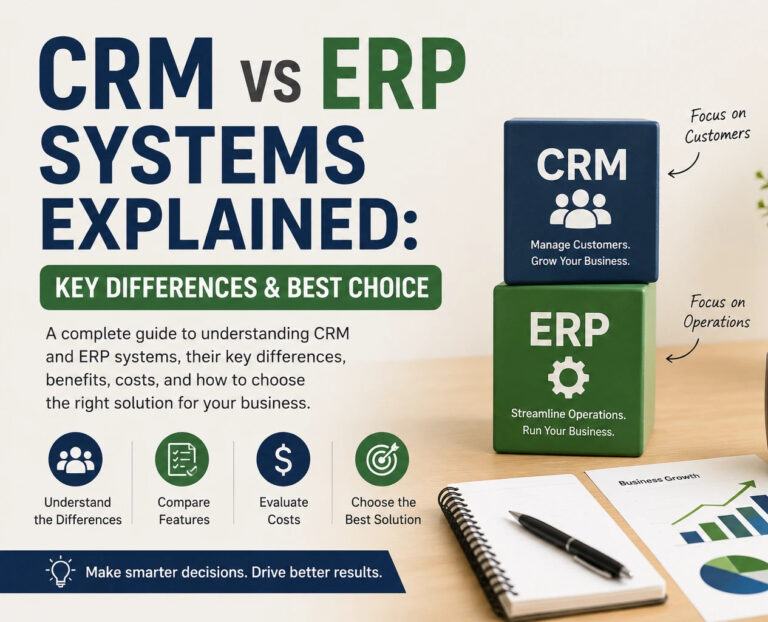
Understanding customer behavior is critical to long-term success in today’s data-driven business environment. Customer intelligence is a process that business organizations employ to collect, analyze, and apply customer data to make smarter business decisions. CRM Software enables companies to consolidate customer data, recognize purchasing patterns, and deliver customized experiences that enhance customer satisfaction and loyalty.
Today’s CRM software is not just contact management. It offers valuable insights into customer interactions, sales performance, and marketing effectiveness, enabling organizations to foster stronger relationships and achieve sustainable growth.
What is customer insight?
Customer intelligence is the process of collecting and analyzing customer data to learn about their needs, preferences, and behaviors. It turns raw data into business intelligence that drives strategic decision making for sales, marketing, and customer service.
Customer intelligence data can be customer purchase history, website activity, email engagement, and more customer support interactions, demographic details, customer feedback, and so on. This data creates a detailed customer profile with CRM Software, which helps businesses to make better decisions and enhance customer interaction.
How CRM Software Helps You Understand the Customer Perspective
CRM Software is a centralized location to store and organize customer data from different touchpoints. Businesses can now access accurate, real-time information in one dashboard, rather than spreadsheets or disconnected systems.
With CRM Software organizations can:
- Combine customer data
- Track customer interactions across channels
- Manage your sales opportunities and pipelines
- Automate repetitive sales and marketing tasks.
- Create performance reports and dashboards
- Enhance teamwork and cooperation
CRM Software provides a single view of each customer to the business and helps them understand the behavior of customers and respond better to changing needs.
Benefits of CRM Software for Customer Intelligence
Understanding Your Customers
The customer profile also gives a business a better understanding of buying habits, communication preferences, and engagement history. These insights allow organizations to customize interactions and deliver more relevant products, services, and marketing messages.
Better sales performance
Customer intelligence enables sales teams to identify higher quality prospects, prioritize opportunities, and improve revenue forecasts. By understanding customer behavior, companies can focus on the prospects most likely to convert and improve the overall efficiency of the sales department.
Enhanced Customer Segmentation
Not all customers will have the same needs or purchasing behavior. CRM Software enables businesses to segment customers based on demographics, buying history, location, interests, and engagement levels. This allows marketing teams to create targeted campaigns that drive higher response rates and a better return on investment.
Personalized Customer Experience
Today’s customers expect personal communication. CRM Software helps a business to make customized recommendations, offer special deals, and send follow-up messages based on the individual preference of each customer. Personalization strengthens customer relationships, increases engagement, and brings customers back to buy again.
Improved Customer Retention
It’s generally cheaper to keep a customer than to get a new one. Customer intelligence allows businesses to keep an eye on purchasing activity and engagement trends, as well as identify customers who may be losing interest. CRM Software makes it possible to follow up proactively, which helps organizations reduce customer churn and increase customer loyalty.
Main Features of CRM Software
So, the best CRM Software has features for data-driven decision-making to maximize customer intelligence. Key attributes:
- Centralized customer database
- Managing the sales pipeline
- Marketing automation
- Tracking customer service
- Reporting & Analytics (dashboard)
- Workflow automation
- AI-Driven Insights and Predictions
- Access on mobile
Such features enable businesses to optimize operations and gain valuable insights into customer behavior and business performance.
Best Practices of CRM Software
Some of the best practices that companies should follow to optimize the use of CRM Software are:
- Keep customer information current and accurate.
- Link to marketing, sales, and customer support applications.
- Train staff for the proper use of the system.
- Track key performance indicators with CRM dashboards.
- Segment customers based on key business criteria.
- Automate manual tasks to improve productivity.
- Develop strong security and privacy controls to protect customer information.
These practices help improve data quality, user adoption, and overall business efficiency.
Typical issues
CRM Software provides compelling benefits, but several challenges can arise to implementation. Customer intelligence initiatives can be undermined by poor data quality, inconsistent data entry, and low employee adoption. Integrating CRM with existing business systems may require careful planning and technical expertise.
Organizations can address these challenges by establishing clear data management procedures, training employees, and regularly evaluating CRM performance to ensure it meets business goals.
The Future of Customer Intelligence
Customer intelligence changes with technology. Businesses are leveraging artificial intelligence, machine learning, predictive analytics, and automation to understand and engage customers in new ways. Modern CRM Software can analyze vast amounts of customer data to forecast future buying behavior, spot sales opportunities, and suggest the next best action.
Companies are also focusing more on data privacy and regulatory compliance. Future CRM solutions will need to balance the advantages of advanced analytics with the need for secure data management that builds customer trust and delivers a personalized experience.
Conclusion
Customer intelligence is a proven business strategy that helps organizations understand customer behavior, improve decision making, and strengthen customer relationships. CRM Software enables companies to gather customer data, analyze its meaning, personalize their engagement with customers, and enhance sales and marketing efforts.
With the ever-increasing expectations of the customers, investing in modern CRM Software is no longer an option but a strategic necessity. As the market gets more competitive, organizations that utilize customer intelligence will be better placed to improve customer satisfaction, increase retention, and drive sustainable business growth.
✨ Want bite-sized tech wisdom? Follow Tech Baaz.