

How to Create a Digital Product (Beginner’s Guide)
Learning how to create a digital product is one of the smartest ways to build an online business in today’s digital economy. Unlike physical goods, digital products can be created once and sold repeatedly without worrying about inventory, shipping, or manufacturing costs. Whether you’re a freelancer, entrepreneur, educator, designer, or software developer, digital products allow you to turn your knowledge and skills into a reliable source of income. As more consumers purchase online resources for learning, productivity, and entertainment, the demand for high-quality digital products continues to increase across industries.
The key to success isn’t simply creating a product; it’s creating one that solves a real problem for a specific audience. From choosing the right idea and validating market demand to designing, pricing, and promoting your product, every step plays an important role in building a profitable business. This guide will walk you through the complete process of creating a digital product, helping you avoid common mistakes while building something your audience will genuinely value and confidently purchase.
What Is a Digital Product?
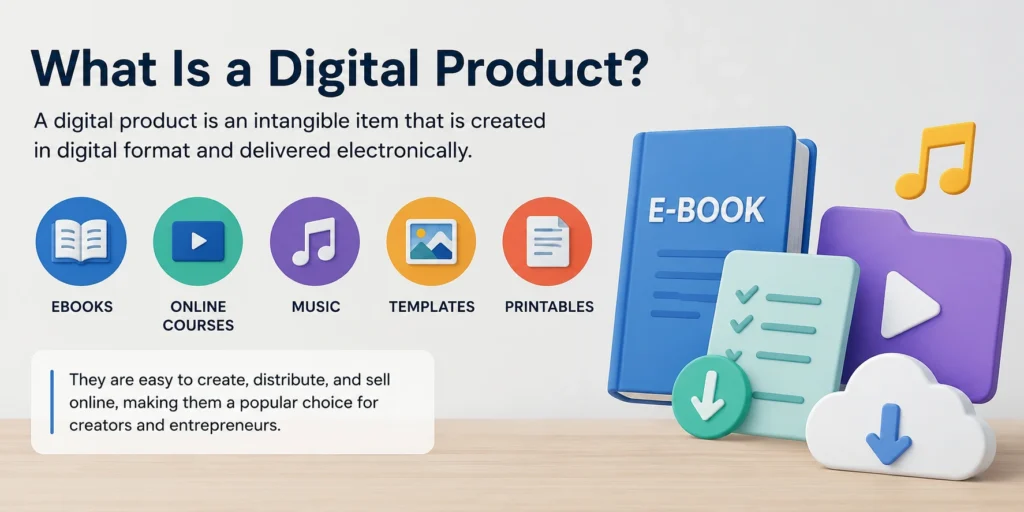
A digital product is any product that customers can purchase, download, or access online without receiving a physical item. Unlike traditional products, digital goods are delivered electronically, making them easy to distribute anywhere in the world within minutes. Popular examples include eBooks, online courses, templates, stock photos, software, mobile applications, printables, digital artwork, music, and membership subscriptions. One of the biggest advantages of digital products is their scalability, as they can be sold repeatedly without increasing production costs. By creating a valuable solution for a specific audience, individuals and businesses can generate consistent revenue while building a sustainable and flexible online business.
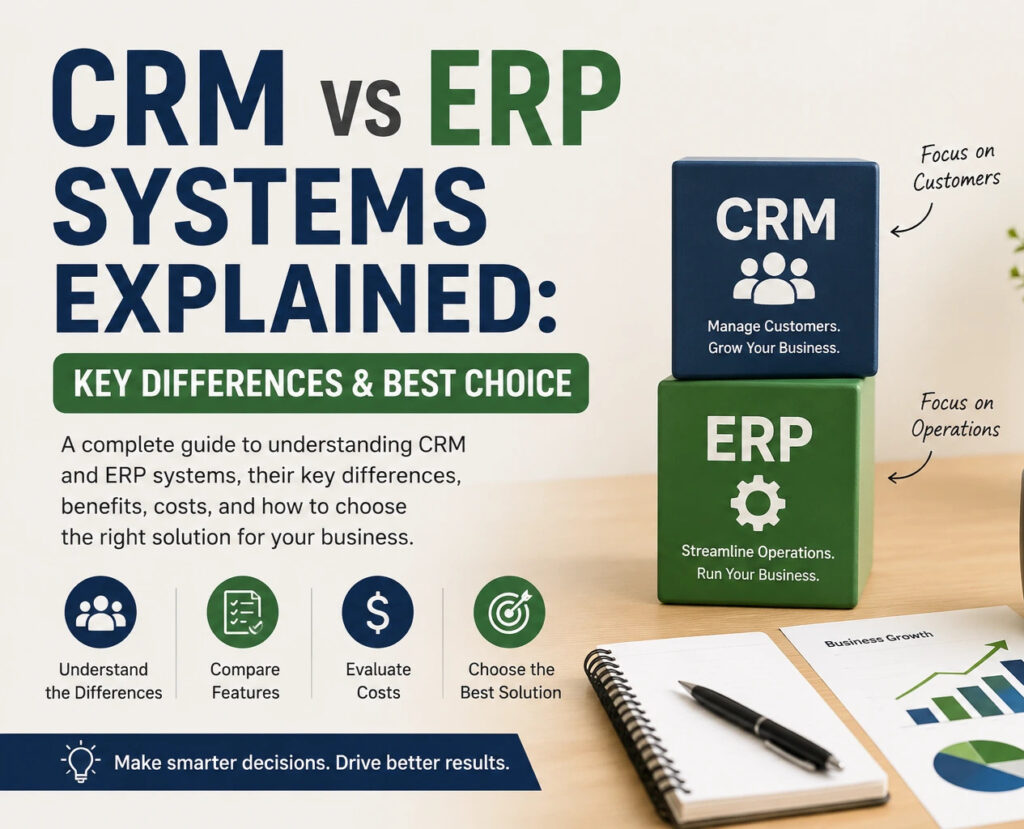
💚 You might also like: Best CRM Software for Small Businesses (2026 Guide)
Online Courses and eBooks
Online courses and eBooks are excellent choices for individuals who enjoy teaching or sharing expertise. They allow creators to package valuable knowledge into structured lessons or practical guides that customers can access anytime. Whether covering business, fitness, technology, or personal development, these educational products help solve real problems while establishing credibility, building trust, and creating opportunities for long-term passive income through repeated sales.
Templates and Digital Downloads
Templates and digital downloads are designed to save users time by providing ready-to-use resources. Popular products include resumes, planners, spreadsheets, social media templates, presentations, budgeting tools, and printable worksheets. These products require little maintenance after launch and appeal to professionals, students, and businesses seeking efficient solutions. Well-designed digital downloads often attract repeat customers because they simplify everyday tasks and improve productivity.
Software and Memberships
Software products and membership platforms offer continuous value through tools, exclusive content, or online communities. Mobile apps, SaaS products, WordPress plugins, and subscription-based learning platforms are common examples. Unlike one-time purchases, memberships can generate recurring monthly or yearly revenue. Regular updates, customer support, and fresh content help improve user satisfaction, strengthen customer loyalty, and create a stable, long-term digital business.
Benefits of Creating a Digital Product
Creating a digital product offers several advantages that make it an attractive business model for beginners and experienced entrepreneurs alike. Since digital products don’t require inventory or shipping, operating costs remain relatively low while profit margins stay high. They can be sold to customers worldwide, enabling creators to reach a global audience without the challenges of physical distribution. According to industry research, global spending on digital services and online learning continues to rise as more consumers prefer convenient online solutions. With automated delivery systems, creators can focus on improving their products, expanding their audience, and building recurring income instead of managing day-to-day logistics.
Types of Digital Products
There are many types of digital products, each serving different audiences and business goals. Some products focus on education by helping people learn new skills, while others improve productivity, creativity, or business efficiency. The best digital product depends on your expertise, market demand, and the specific problems you want to solve. Before investing time and resources, it’s important to evaluate which format aligns with your audience’s needs and purchasing behavior. Choosing the right product category increases customer satisfaction, strengthens your brand authority, and creates better opportunities for long-term sales, repeat customers, and sustainable business growth.
Online Courses and eBooks
Online courses and eBooks are among the most popular digital products because they allow creators to share valuable knowledge with a global audience. Courses typically include video lessons, quizzes, and downloadable resources, while eBooks present information in a structured written format. These products work well for educators, consultants, and industry experts who want to teach practical skills, establish authority, and generate passive income through repeat sales.
Templates and Digital Downloads
Templates and digital downloads help users save time by providing ready-made resources they can use immediately. Popular examples include business documents, resumes, spreadsheets, planners, social media templates, design assets, presentations, printable worksheets, and digital planners. Since these products require minimal customization after purchase, they are highly scalable and easy to deliver. High-quality templates that solve everyday problems often encourage repeat purchases and positive customer recommendations.
Software and Memberships
The Software products and membership programs provide ongoing value instead of a one-time solution. Software can include mobile apps, SaaS platforms, website plugins, automation tools, or desktop applications that help users complete specific tasks more efficiently. Membership programs provide subscribers with ongoing access to exclusive content, educational resources, premium tools, and private communities through recurring payment plans. These business models create predictable revenue, strengthen customer relationships, and encourage long-term engagement by continuously delivering fresh features and valuable content.
Choosing the Best Digital Product Idea
Choosing the right digital product idea is the foundation of building a successful online business. Many creators make the mistake of developing products based on personal interests instead of market demand, which often leads to poor sales. A profitable idea solves a specific problem, delivers measurable value, and targets a clearly defined audience. Start by identifying your skills, experience, and areas of expertise, then compare them with what potential customers are actively searching for. Study online communities, customer reviews, keyword trends, and competitor products to uncover unmet needs. The stronger the connection between your expertise and your audience’s challenges, the greater your chances of creating a digital product that people are willing to purchase.
Steps to Create a Digital Product
Creating a digital product involves much more than producing content or designing files. A structured process helps you build a product that meets customer expectations and performs well in the market. Start by researching your audience, planning the product structure, and creating high-quality content that solves a real problem. Once your product is complete, test it with a small group of users to identify improvements before launching publicly. Taking time to refine your product reduces negative feedback, improves customer satisfaction, and increases the likelihood of positive reviews, referrals, and repeat purchases after your official launch.
Research Your Audience
Understanding your audience is essential before creating any digital product. Identify who your ideal customers are, the challenges they face, and the solutions they are searching for. Use customer surveys, social media discussions, online forums, and keyword research to gather insights. The more you understand your audience’s goals and frustrations, the easier it becomes to create a product that delivers meaningful value and stands out from competing solutions.
Create Your Product
After validating your idea, focus on creating a high-quality product that delivers real value to your target audience. Focus on delivering clear, practical, and well-organized content or features instead of adding unnecessary complexity. Whether you’re designing templates, writing an eBook, recording an online course, or developing software, every element should help users achieve a specific outcome. A polished, user-friendly product builds trust and encourages positive customer reviews.
Test Before You Launch
Testing your digital product before launching helps identify issues that may affect the customer experience. Share your product with beta users, trusted colleagues, or existing customers and ask for honest feedback. Pay attention to usability, content clarity, design, and technical performance. Addressing these improvements before the public launch reduces support requests, increases customer satisfaction, and gives buyers greater confidence in your product.
Best Tools for Creating Digital Products
The right tools can significantly improve both the quality of your digital product and the efficiency of your workflow. Content creators typically use writing and publishing tools, while designers depend on creative software to produce high-quality visuals. Video creators benefit from recording and editing software, and developers use specialized coding environments to build software products. AI-powered tools can also assist with brainstorming, editing, design, and content optimization, helping creators save time without compromising quality. Selecting tools that match your skills and project requirements allows you to produce professional digital products while maintaining consistency throughout the creation process.
How to Price and Sell Your Digital Product
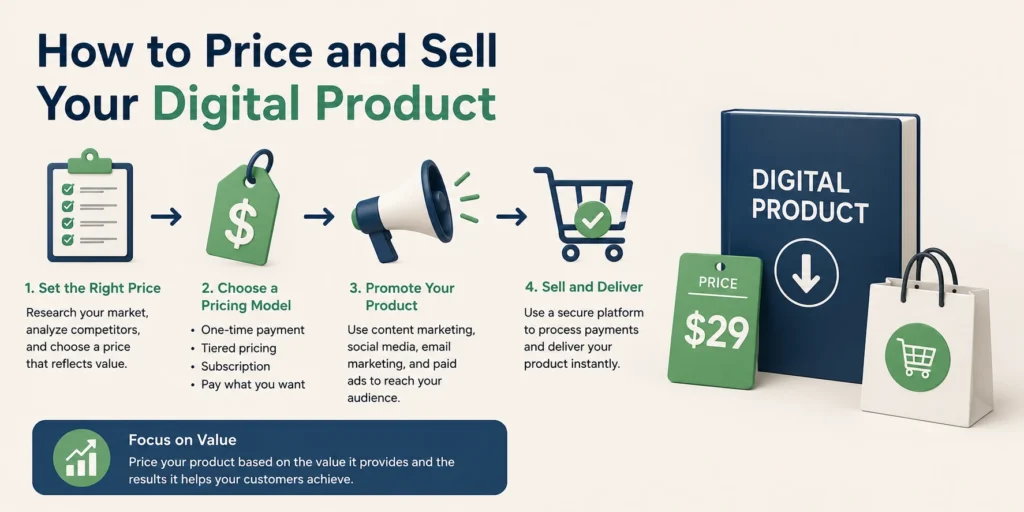
Pricing your digital product correctly is essential for attracting customers while maximizing profitability. Setting prices too low may reduce the perceived value of your product, while prices that are too high can discourage potential buyers. Research similar products in your niche, evaluate the value you provide, and consider your target audience’s budget before deciding on a pricing strategy. Once your pricing is finalized, choose reliable selling platforms that offer secure payment processing and automated delivery. Combining competitive pricing with a smooth purchasing experience increases customer trust, improves conversion rates, and supports sustainable long-term business growth.
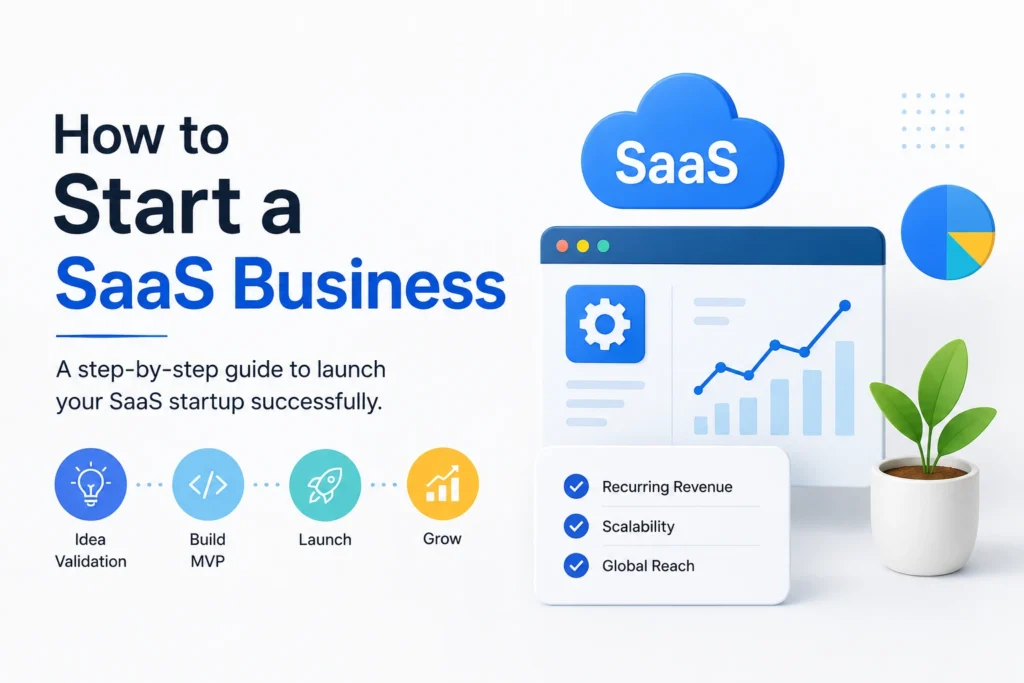
💚 You might also like: How to Start a SaaS Business: Step-by-Step Guide (2026)
Choose the Right Price
Your pricing should reflect the value your digital product delivers rather than the time it took to create it. Compare similar products, evaluate customer expectations, and consider offering multiple pricing tiers when appropriate. Introductory discounts, bundled packages, or premium versions can attract different customer segments while increasing your overall revenue without reducing the perceived quality of your product.
Best Platforms to Sell Digital Products
Selecting the right platform is just as important as creating a quality product. Depending on your business model, you can sell through your own website or established digital marketplaces that provide secure payments and automated delivery. Look for platforms that offer customization, analytics, marketing integrations, and reliable customer support. A dependable selling platform creates a smoother buying experience and helps your business grow more efficiently.
How to Promote Your Digital Product
Creating a high-quality digital product is only half the journey. To generate consistent sales, you need a marketing strategy that helps the right audience discover your product and understand its value. Successful promotion combines organic and paid marketing channels to increase visibility, build trust, and drive conversions. Instead of relying on a single platform, focus on reaching potential customers where they already spend their time. Publishing valuable content, building an email list, engaging on social media, and running targeted advertising campaigns can significantly improve your results. A consistent marketing strategy not only increases sales but also strengthens your brand and supports long-term business growth.
SEO and Content Marketing
Search engine optimization (SEO) and content marketing help attract potential customers who are actively searching for solutions online. Publishing informative blog posts, tutorials, case studies, and guides allows you to target relevant keywords while building authority in your niche. Optimize your website with descriptive titles, internal links, and high-quality content to improve search visibility. Consistently creating valuable content drives organic traffic, builds trust with your audience, and generates qualified leads over time.
Email and Social Media Marketing
Email marketing and social media are powerful channels for nurturing relationships with potential customers. Build an email list by offering valuable free resources, then send helpful newsletters, product updates, and exclusive offers to keep subscribers engaged. On social media, share educational content, customer success stories, behind-the-scenes updates, and product demonstrations. Consistent communication strengthens brand awareness, increases audience engagement, and encourages repeat purchases from loyal customers.
Common Mistakes to Avoid in Digital product
Many digital products fail because creators skip important planning and validation steps. One common mistake is creating a product without understanding the target audience or confirming market demand. Others focus too much on features instead of solving a specific customer problem. Poor product quality, confusing pricing, weak branding, and ineffective marketing can also limit sales. Ignoring customer feedback after launch is another missed opportunity for improvement. By validating your idea, maintaining high quality, listening to users, and continuously updating your product, you can avoid these mistakes and build a successful digital product business with long-term growth potential.
Frequently Asked Questions
What is a digital product?
A digital product is a non-physical item that customers can download or access online, such as eBooks, online courses, templates, software, music, or membership content.
What is the easiest digital product to create?
eBooks, printable templates, checklists, planners, and digital worksheets are among the easiest digital products to create because they require minimal technical skills and low startup costs.
How do I choose the right digital product idea?
Start by identifying your expertise, researching your target audience, and validating market demand. Choose an idea that solves a specific problem people are actively looking to solve.
Where can I sell my digital products?
You can sell digital products through your own website, online marketplaces, or e-commerce platforms that support secure payments and automated digital product delivery.
What Does It Cost to Create a Digital Product?
The cost varies depending on the product type and the tools you use. Many beginners can create their first digital product with affordable or even free design, writing, and editing tools.
Can I earn passive income from digital products?
Yes. Once your product is created and your sales process is automated, it can generate passive income through repeat purchases, although regular updates and marketing are still important.
Conclusion
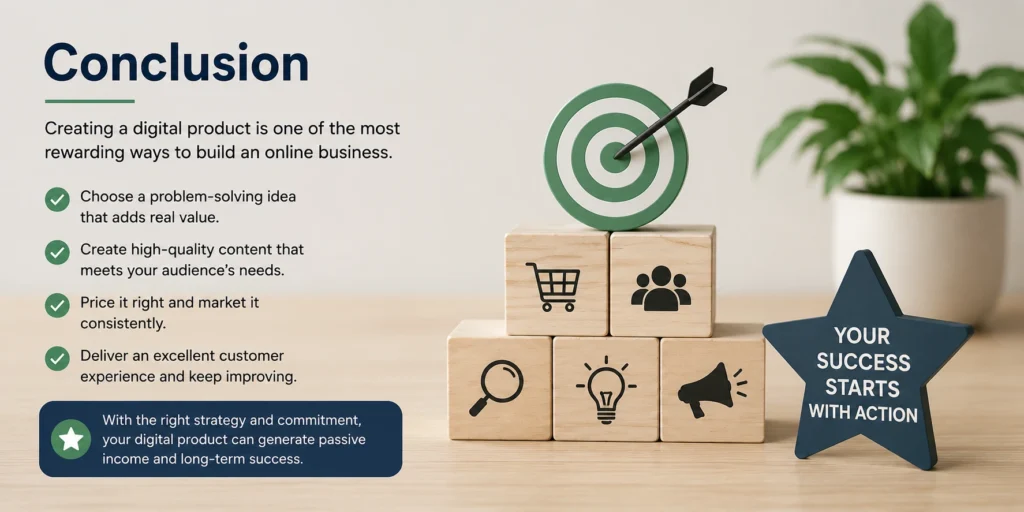
Creating a digital product is an excellent opportunity to turn your knowledge, creativity, or technical skills into a scalable online business. From selecting a profitable idea and understanding your audience to developing, pricing, and promoting your product, every stage contributes to your long-term success. Focus on delivering real value instead of chasing short-term trends, and continually improve your product based on customer feedback and changing market needs. With the right strategy, consistent effort, and a customer-first approach, your digital product can become a reliable source of income while helping people solve meaningful problems.
✨ Want bite-sized tech wisdom? Follow Tech Baaz.