
HubSpot CRM Review (2026)
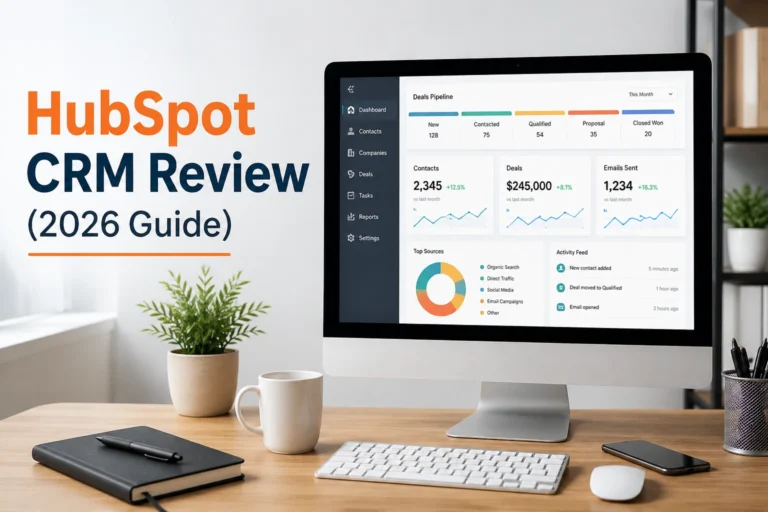
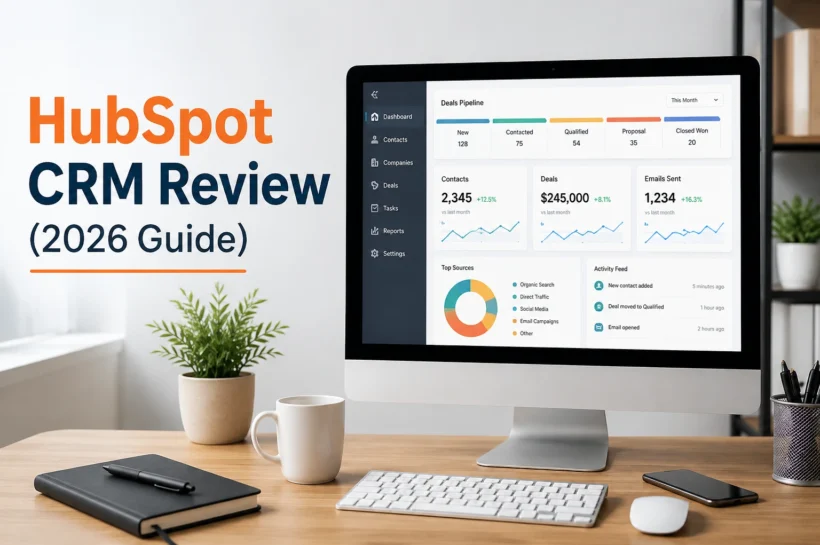
HubSpot CRM is a cloud-based customer relationship management platform designed to help businesses organize contacts, track sales, automate marketing, and improve customer service from one centralized dashboard. Unlike many traditional CRMs that require extensive setup, HubSpot focuses on simplicity and ease of use, making it suitable for startups, small businesses, and growing organizations. According to HubSpot, more than 258,000 customers across 135+ countries use its platform to manage business relationships and streamline operations. Its free CRM offers essential tools, while premium plans unlock advanced automation, reporting, and AI-powered features, allowing businesses to scale efficiently as their needs evolve.
HubSpot CRM Overview
HubSpot CRM combines sales, marketing, customer service, content management, and operations tools into a single ecosystem. Users can store customer information, monitor communication history, manage deals, automate repetitive tasks, and generate detailed reports without switching between multiple platforms. One of its biggest strengths is the generous free plan, which includes contact management, email tracking, meeting scheduling, live chat, and customizable sales pipelines. As businesses expand, they can upgrade to premium Hubs for additional functionality. This flexible approach allows organizations to start small while building a CRM system capable of supporting long-term growth and improving customer relationships.
Why Choose HubSpot CRM?
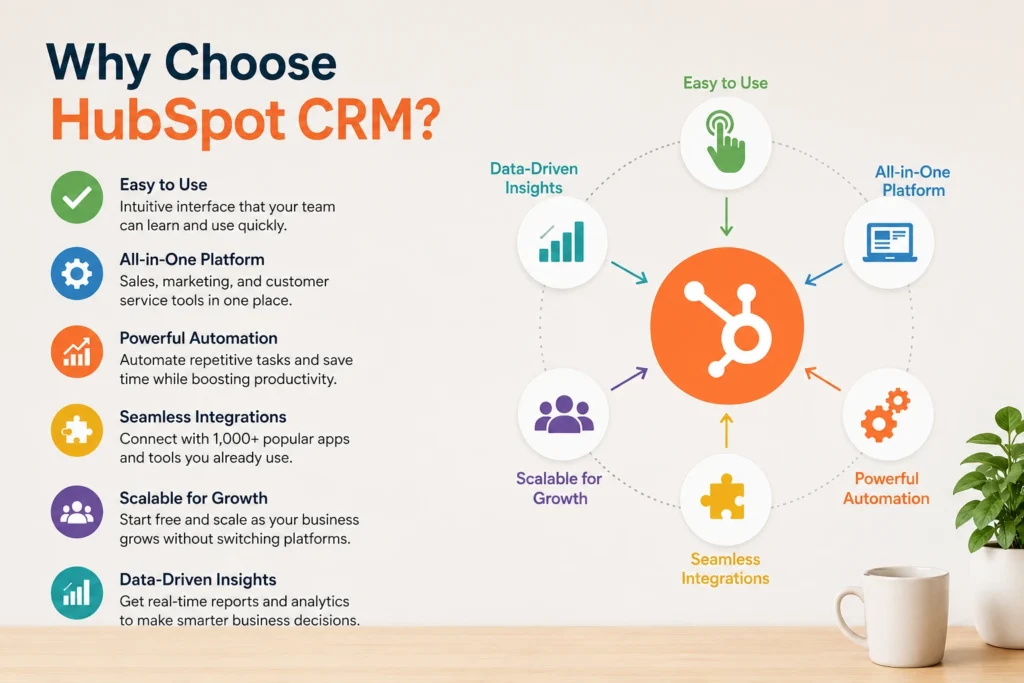
Businesses choose HubSpot CRM because it balances powerful functionality with an intuitive user experience. New users can quickly learn the platform without extensive technical knowledge, while experienced teams benefit from advanced automation and detailed analytics. HubSpot also integrates with hundreds of popular business applications, making it easier to connect existing workflows. Its AI-powered tools help create marketing content, summarize customer interactions, and improve productivity. Independent review platforms consistently rate HubSpot highly for usability and customer satisfaction, making it one of the most trusted CRM solutions available for companies looking to increase efficiency, strengthen customer engagement, and drive sustainable revenue growth.
💚 You might also like: 10 Best Email Marketing Software for 2026 | Compare Top Tools
HubSpot CRM Features
HubSpot CRM offers a comprehensive set of features that support every stage of the customer journey, from capturing leads to closing deals and providing post-sale support. The platform centralizes customer information, automates repetitive tasks, and provides valuable insights that help businesses make informed decisions. Instead of relying on multiple disconnected tools, teams can manage sales, marketing, and customer service from one interface. This unified approach improves collaboration, reduces manual work, and creates a better experience for both employees and customers. Below are some of the core features that make HubSpot CRM a leading business solution.
Contact Management
HubSpot CRM stores all customer information in one organized database, giving teams instant access to contact details, communication history, notes, tasks, and company records. Automatic activity tracking keeps every interaction updated, helping sales and support teams deliver personalized experiences while reducing manual data entry and improving collaboration across departments.
Sales Pipeline Management
The customizable sales pipeline allows businesses to track every deal from the first conversation to the final purchase. Sales representatives can update deal stages, schedule follow-ups, monitor revenue forecasts, and identify opportunities that require attention. This visibility helps teams close deals faster while maintaining an organized sales process.
Marketing & Email Tools
HubSpot includes built-in marketing tools for email campaigns, lead capture forms, landing pages, and marketing automation. Businesses can nurture leads through personalized workflows while tracking open rates, clicks, and conversions. These insights help marketers improve campaign performance and create more targeted customer experiences without relying on separate marketing platforms.
HubSpot CRM Pricing Comparison
| Plan | Starting Price | Best For | Key Features |
|---|---|---|---|
| Free Tools | $0/month | Individuals & Startups | Contact management, deal pipeline, email tracking, meeting scheduler, live chat, forms, basic reporting |
| Starter Customer Platform | From $20/month per seat | Small Businesses | Removes HubSpot branding, simple automation, email marketing, multiple pipelines, payment links |
| Professional Customer Platform | From $1,300/month | Growing Businesses | Marketing automation, AI tools, advanced reporting, custom workflows, lead scoring, campaign management |
| Enterprise Customer Platform | From $4,700/month | Large Enterprises | Predictive analytics, advanced permissions, custom objects, team management, enterprise automation, enhanced security |
Frequently Asked Questions
Is HubSpot CRM Free?
Yes. HubSpot CRM offers a free plan with core features such as contact management, deal pipelines, email tracking, meeting scheduling, forms, and live chat. Businesses can use these tools without paying, while premium plans provide advanced automation, reporting, AI capabilities, and expanded customization.
Is HubSpot CRM Good for Small Businesses?
Yes. HubSpot CRM is an excellent option for small businesses because it is easy to use, requires minimal setup, and provides a generous free plan. As a business grows, additional paid features can be added without migrating to another CRM platform.
Is HubSpot CRM Worth It?
For many businesses, HubSpot CRM is worth the investment because it combines sales, marketing, and customer service tools in one platform. Its automation features, integrations, and detailed reporting can improve team productivity and help businesses build stronger customer relationships over time.
Can HubSpot CRM Replace Salesforce?
HubSpot CRM is an excellent alternative to Salesforce for many small and mid-sized businesses, thanks to its easy-to-use interface, integrated marketing tools, and simplified setup. However, large enterprises with highly complex workflows and extensive customization requirements may still prefer Salesforce.
Conclusion
HubSpot CRM remains one of the strongest CRM solutions available in 2026 because it combines ease of use, powerful automation, and scalable business tools within a single platform. Whether you are launching a startup, managing a growing company, or expanding an established business, HubSpot provides the flexibility to organize customer relationships, improve sales performance, and streamline marketing efforts. Its free plan offers significant value, while premium features support long-term growth. If you need a CRM that balances simplicity with advanced capabilities, HubSpot CRM is a reliable investment that can grow alongside your business.
✨ Want bite-sized tech wisdom? Follow Tech Baaz.