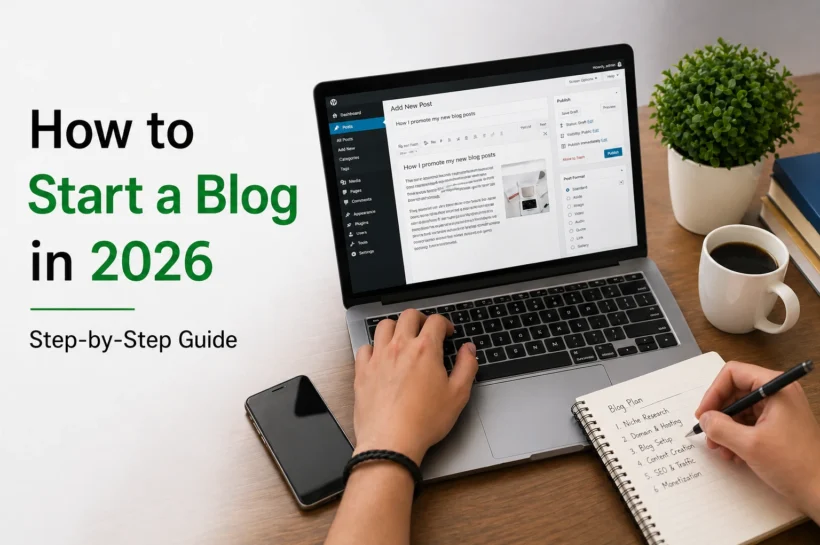

How to Start a Blog in 2026 | Step-by-Step Guide
Starting a blog today is more than simply publishing articles online it is about building a digital presence that creates value for readers and long-term opportunities for yourself. Whether your goal is personal branding, sharing expertise, generating income, or supporting a business, blogging remains one of the most effective strategies in 2026. A well-structured blog helps establish authority, improves online visibility, and creates trust with your audience. The key is to start with a clear purpose, a smart strategy, and consistent effort rather than focusing only on quick results or instant traffic.
Niche Selection Strategy
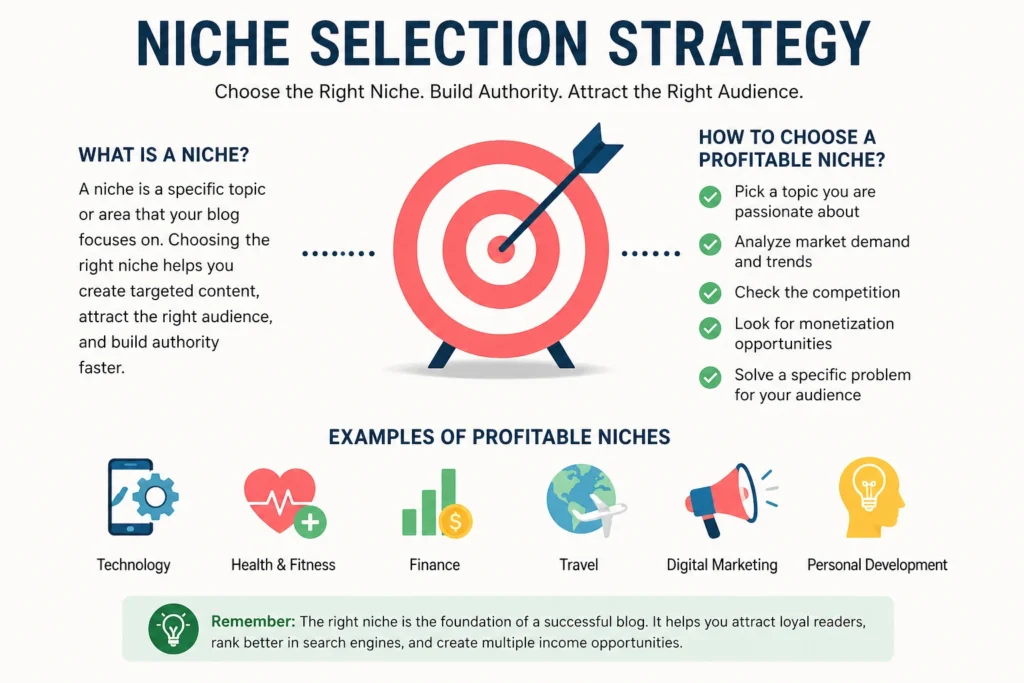
Choosing the right niche is one of the most important decisions when starting a blog. Your niche defines your content direction, your target readers, and your monetization opportunities. A strong niche should combine your knowledge, personal interest, and market demand. Instead of writing about everything, focusing on one specific area helps build authority faster. Whether it is technology, health, finance, travel, or digital marketing, selecting a profitable and sustainable niche makes it easier to attract loyal readers and rank better in search engines over time.
You might also like: Best Online Business Ideas in 2026 (Start & Earn Fast)
Identifying a Profitable Blogging Niche
A profitable niche solves real problems and has a clear audience searching for solutions. Start by listing topics you understand well and enjoy discussing. Then analyze search demand, competition, and earning potential through affiliate programs, services, or products. A niche with consistent interest and monetization options gives your blog stronger long-term growth.
Target Audience Research
Understanding your audience helps you create content that feels relevant, useful, and engaging. Before publishing your first post, define who your ideal readers are, what problems they face, and what kind of information they are searching for online. A beginner-focused blog should answer simple but important questions clearly. When you know your audience’s goals, pain points, and interests, your content becomes more targeted and valuable. This improves user experience, increases time on site, and supports stronger SEO performance by matching real search intent effectively.
Choosing the Right Blogging Platform
Your blogging platform is the foundation of your entire website, so choosing the right one is essential for long-term success. A good platform should be easy to manage, flexible enough for future growth, and strong in SEO performance. Beginners often compare options like WordPress, Blogger, Wix, and Squarespace. While each platform has benefits, your final choice should depend on your goals, budget, and technical comfort. A scalable platform saves time later and helps you build a professional blog without unnecessary limitations as your content grows.
WordPress vs Alternative Platforms
WordPress is widely preferred because it offers full control, strong SEO features, and thousands of customization options. Platforms like Wix and Blogger are simpler for beginners but often have design and growth limitations. If your goal is serious blogging and long-term monetization, WordPress usually provides the strongest foundation and flexibility.
Domain & Hosting Setup Essentials
Your domain name and hosting service create the main technical structure of your blog. A domain represents your blog’s identity online, while hosting keeps your website files stored and available for visitors. Choose a short and memorable domain name that clearly matches your niche and brand. Reliable hosting improves website speed, security, and overall user experience. Beginners should focus on hosting providers that offer strong uptime, easy WordPress installation, customer support, and room for future growth as traffic and content increase over time.
Blog Design and User Experience
A clean and professional blog design creates a strong first impression and encourages visitors to stay longer. Good design is not only about appearance, it also affects readability, trust, and conversions. Your layout should be simple, mobile-friendly, and easy to navigate. Clear menus, readable fonts, proper spacing, and fast-loading pages improve user satisfaction. A clutter-free design helps readers focus on your content instead of distractions. In modern blogging, strong user experience plays a major role in both audience retention and search engine rankings.
Core Principles of Effective Blog Design
Effective blog design starts with simplicity and clarity. Use a responsive theme that works well on mobile devices and keeps navigation smooth. Avoid excessive colors or unnecessary elements that create confusion. Focus on readability, fast loading speed, and clear calls to action so visitors can easily explore your content and trust your brand.
Creating Your First Blog Post
Your first blog post sets the tone for your entire blogging journey, so it should be clear, valuable, and focused on solving a specific problem. Instead of trying to impress with complex writing, aim for simple, useful, and reader-friendly content. Start with a strong introduction that captures attention, followed by well-structured sections that answer the reader’s questions. Use headings, short paragraphs, and practical examples to improve readability. A high-quality first post builds trust and encourages visitors to return for more helpful content in the future.
On-Page SEO Fundamentals
On-page SEO helps search engines understand your content and improves your chances of ranking higher in search results. It includes optimizing titles, headings, keywords, internal links, images, and meta descriptions. Good SEO is not about stuffing keywords, it is about creating useful content that matches user intent. When your blog post is properly structured and easy to read, both readers and search engines respond positively. Strong on-page SEO creates a solid foundation for long-term organic traffic and better visibility in competitive search results.
Keyword Optimization and Content Structuring
Use your main keyword naturally in the title, introduction, headings, and conclusion without overusing it. Secondary keywords should support the topic and improve semantic relevance. Clear content structure with H2 and H3 headings helps readability and makes it easier for search engines to understand your article’s purpose and overall topic.
Blog Traffic Growth Strategies
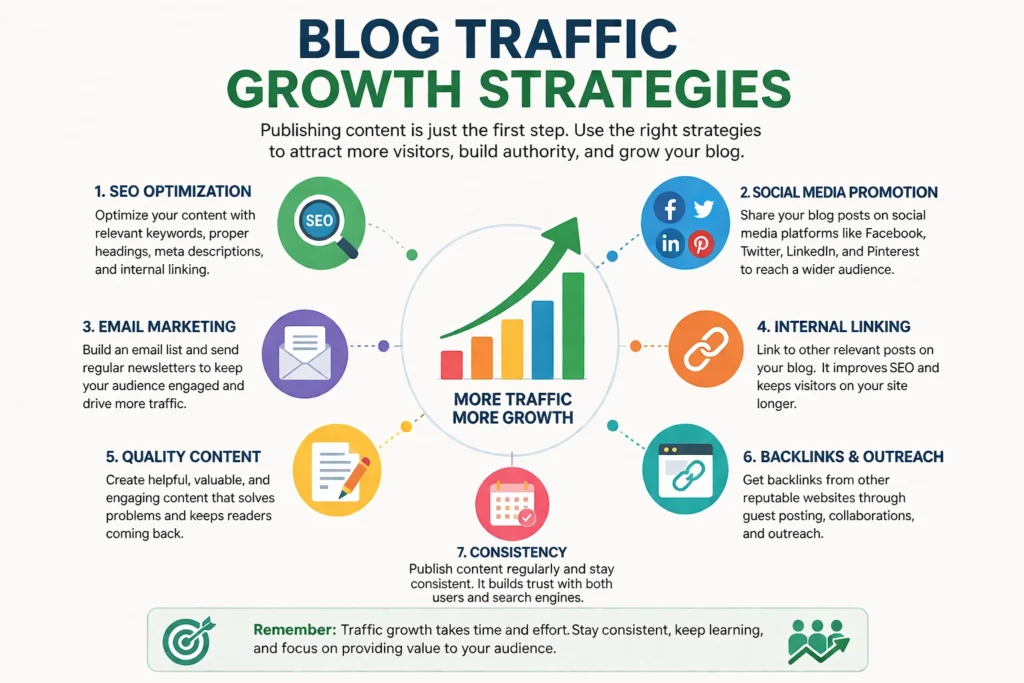
Publishing content alone is not enough; you also need a strategy to bring readers to your blog. Traffic growth starts with SEO but should also include social media promotion, email marketing, internal linking, and audience engagement. Sharing blog posts on platforms like Pinterest, Facebook, and LinkedIn can help attract early visitors. Consistent publishing and updating older content also improve visibility. Building backlinks through guest posting and collaborations adds authority, helping your blog gain stronger rankings and sustainable traffic growth over time.
You might also like: Best Tech Gadgets 2026 (Budget to Premium) | Top Picks
Monetization Strategies for Blogs
Once your blog starts attracting consistent traffic, monetization becomes a realistic next step. Bloggers commonly earn through display ads, affiliate marketing, sponsored content, digital products, and service-based offers. The best strategy depends on your niche and audience trust. Affiliate marketing works well when you recommend useful products honestly, while digital products create higher long-term income. Successful monetization requires patience and quality content first. Readers trust blogs that provide value before promotion, which leads to better conversions and stronger brand credibility.
Conclusion
Starting a blog may feel overwhelming at first, but the process becomes much easier when you follow the right strategy. From choosing a profitable niche and selecting the right platform to writing quality content and applying basic SEO, every step builds the foundation of long-term success. Blogging is not about quick results;it is about consistency, value, and trust. When you focus on helping your audience and improving your content over time, your blog can grow into a strong digital asset that generates traffic, authority, and income for years.
Frequently Asked Questions (FAQs)
What is the cost of starting a blog?
A basic blog can start with a small budget for domain registration and hosting, usually between $50 to $100 per year.
Is WordPress better than Blogger for beginners?
Yes, WordPress offers better SEO features, customization, and long-term growth opportunities compared to Blogger.
How often should I publish blog posts?
Beginners should aim for one to two high-quality blog posts per week for consistent growth and better rankings.
Can I start a blog without technical skills?
Yes, modern blogging platforms like WordPress make it easy to start a blog without advanced technical knowledge.
How much time does it take to earn money from blogging?
It depends on your niche, content quality, and strategy, but most blogs take several months to build income.
✨ We’re just getting started. Stay tuned with Tech Baaz for more tech gems.