


How to Study Effectively at Home in (2026) Smart Tips That Work
Studying at home sounds convenient, but for many students, it quickly becomes frustrating. Notifications, background noise, lack of routine, and poor concentration often reduce productivity. At the same time, home learning can become highly effective when students build the right habits and environment. Research from the National Institutes of Health shows that structured study routines and distraction-free environments significantly improve learning retention and focus. Whether you are preparing for exams, attending online classes, or improving personal skills, understanding how to study effectively at home can help you learn faster, stay motivated longer, and reduce academic stress in a more balanced way.
Challenges of Studying at Home
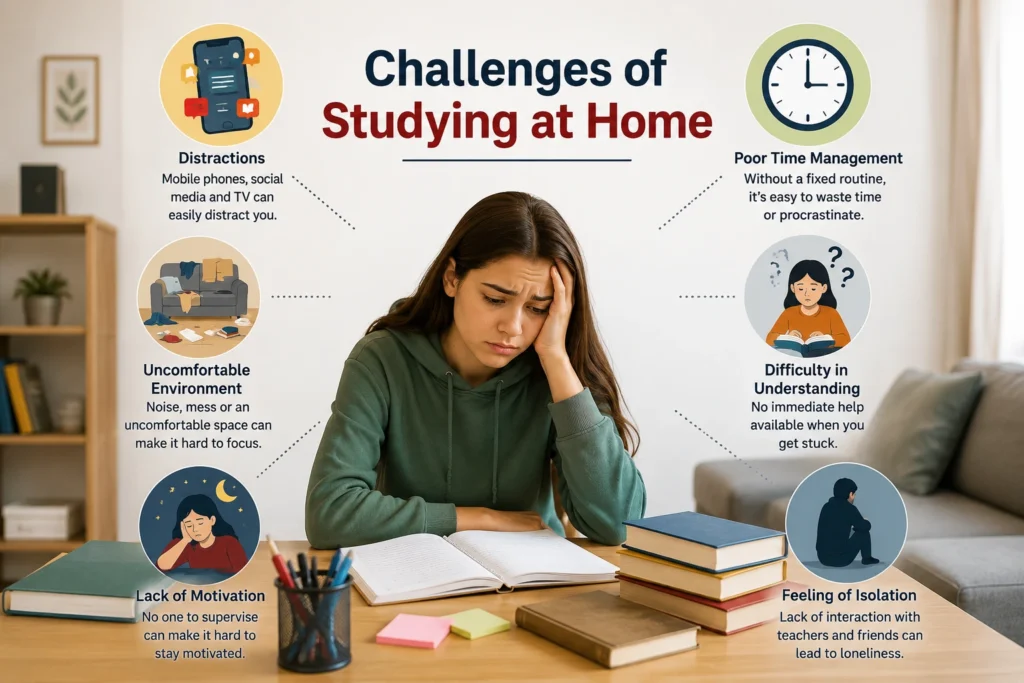
Studying at home may feel comfortable initially, but it often creates unexpected learning difficulties. Many students struggle with distractions from social media, television, family conversations, or even household responsibilities. Unlike classrooms, home environments rarely provide structure or accountability. According to research published by Stanford University, constant distractions can lower productivity and weaken memory retention. Another major issue is procrastination, which becomes easier when students study without supervision. Understanding these challenges is important because effective studying starts with recognizing what interrupts your focus. Once students identify their biggest distractions, they can begin creating smarter habits that support concentration and long-term academic success.
💚 You might also like: How to Choose the Right Software for Your Business (2026 Guide)
Creating an Effective Study Space
Your study environment directly affects your ability to concentrate and stay productive. A cluttered or noisy area can make studying mentally exhausting, even if the material itself is simple. Studies from Princeton University Neuroscience Institute found that physical clutter competes for attention and reduces focus. Creating an effective study space does not require an expensive setup. A clean desk, supportive chair, proper lighting, and minimal distractions are often enough. Many successful students also keep water, notebooks, and essential materials nearby to avoid interruptions. A dedicated study space trains your brain to associate that area with focus, making it easier to stay consistent every day.
Choosing the Right Study Area
The location you choose for studying plays a major role in concentration and productivity. Quiet spaces with natural lighting usually improve mental alertness and reduce stress during long study sessions. Avoid studying in bed because your brain naturally connects that space with rest and sleep. Instead, choose a consistent location where distractions remain limited. Even a small corner with a desk can become an effective learning environment when used regularly and organized properly.
Organizing Your Study Setup
An organized study setup helps students save time and maintain focus during learning sessions. Keep only essential items on your desk, including notebooks, stationery, and learning materials. Remove unnecessary gadgets or clutter that may distract your attention. Good lighting is equally important because poor lighting can cause eye strain and mental fatigue. A comfortable chair and clean workspace also improve posture and concentration, helping students study longer without feeling physically exhausted or mentally overwhelmed.
Building a Consistent Study Routine
A consistent study routine helps students stay disciplined and avoid last-minute stress before exams. Without a schedule, many learners waste time deciding when or what to study. According to a study published in the Journal of Educational Psychology, students who follow structured routines often achieve better academic performance than those who study randomly. A routine creates stability and trains the brain to focus at specific times each day. Start by setting realistic study hours that fit your daily responsibilities and energy levels. Consistency matters more than studying for extremely long hours. Even short daily sessions can produce strong results when maintained regularly over time.
Avoiding Study Distractions
Distractions are one of the biggest reasons students fail to study effectively at home. Social media notifications, text messages, television, and background conversations constantly interrupt concentration. Research from the University of California revealed that regaining focus after a distraction can take more than 20 minutes. This means small interruptions can significantly reduce productivity throughout the day. Effective students create systems that protect their attention during study sessions. Turning off unnecessary notifications, setting clear boundaries with family members, and using focus techniques can improve concentration. Reducing distractions does not only help students complete tasks faster, but it also improves understanding and information retention during learning sessions.
Managing Phone and Social Media Use
Smartphones are among the most common distractions for students studying at home. Social media apps constantly compete for attention, making it difficult to maintain deep focus. One effective strategy is placing the phone in another room during study sessions. Students can also use productivity apps that block notifications temporarily. Limiting screen distractions allows the brain to focus more deeply on learning tasks and reduces the habit of checking devices every few minutes.
Handling Household Interruptions
Family conversations, household noise, and unexpected interruptions often break study momentum. Communicating your study schedule with family members can help reduce unnecessary distractions. Many students also benefit from using headphones or calm background music to maintain concentration. Creating a visible study routine encourages others to respect your learning time. Even small adjustments at home can create a more supportive and productive study environment for consistent academic performance.
Smart Time Management for Students
Time management is one of the most important skills for effective studying at home. Many students spend hours sitting with books but achieve very little because their study sessions lack structure. Research from Harvard Business Review shows that planned work sessions improve productivity and reduce mental fatigue. Instead of studying randomly, students should divide tasks into smaller, manageable goals with clear deadlines. Techniques like the Pomodoro Method, where students study for focused intervals followed by short breaks, can improve concentration significantly. Managing time properly also reduces stress and helps students balance academics, personal responsibilities, and relaxation without feeling mentally overwhelmed every day.
Proven Study Techniques
Using the right study methods can improve learning speed and memory retention far more than simply rereading textbooks. Cognitive science research consistently shows that active learning techniques help students remember information longer than passive studying. Effective learners engage their brains through problem-solving, self-testing, summarizing, and revision strategies. Instead of memorizing information blindly, students should focus on understanding concepts deeply. Techniques like active recall and spaced repetition are widely recommended by educational experts because they strengthen long-term memory. Choosing proven study methods not only saves time but also increases confidence during exams, assignments, and classroom discussions throughout the academic year.
Active Recall Method
Active recall is one of the most effective learning strategies for improving memory retention. Instead of rereading notes repeatedly, students actively test themselves on important concepts and questions. Research published in Psychological Science found that self-testing improves long-term learning more effectively than passive review. Flashcards, quizzes, and practice questions are common active recall techniques. This method forces the brain to retrieve information actively, strengthening memory connections and helping students remember material more confidently during exams.
Spaced Repetition Technique
Spaced repetition improves learning by reviewing information over gradually increasing intervals of time. Instead of cramming everything in one session, students revisit topics regularly to strengthen memory retention. Studies show that repeated exposure over time helps the brain transfer information into long-term memory more efficiently. Many language learners and medical students use spaced repetition systems because they reduce forgetting and improve recall accuracy. Consistent revision sessions make studying more manageable and less stressful.
Staying Motivated While Studying
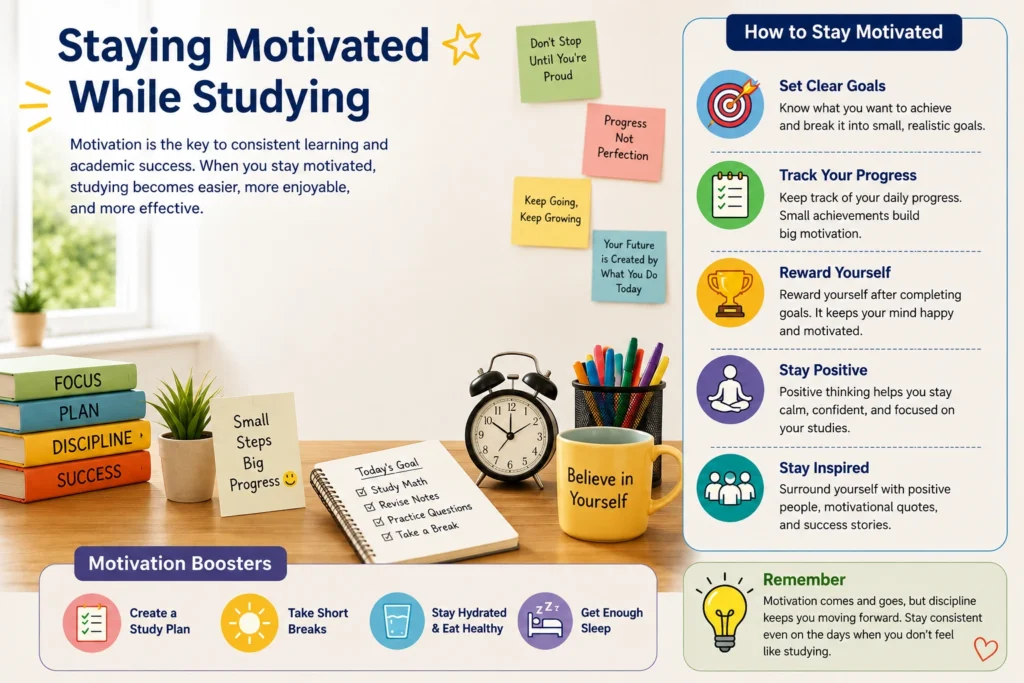
Maintaining motivation at home can become difficult, especially during long academic periods or exam preparation. Unlike classrooms, home environments often lack external pressure and accountability. According to the American Psychological Association, motivation increases when people set realistic goals and track visible progress. Students should focus on small achievements instead of expecting immediate perfection. Rewarding yourself after completing study goals can also improve consistency and reduce burnout. Motivation grows stronger when students understand the purpose behind their learning. Whether the goal is academic success, career growth, or personal development, having a clear reason to study helps students stay committed even during challenging periods.
💚 You might also like: AxelaNote Review 2026: AI Note-Taking & Productivity Tool
Healthy Habits for Better Learning
Good study habits are important, but physical and mental health also play a major role in academic performance. Research from the Centers for Disease Control and Prevention shows that sleep, nutrition, hydration, and exercise directly affect memory, concentration, and cognitive function. Students who ignore their health often experience fatigue, stress, and difficulty focusing during study sessions. Getting enough sleep helps the brain process and store information more effectively. Healthy meals and regular hydration improve energy levels and mental alertness throughout the day. Simple lifestyle changes can help students study more efficiently, stay productive, and avoid mental burnout during long learning sessions.
Common Home Study Mistakes
Many students struggle academically not because they lack intelligence, but because they follow ineffective study habits. One common mistake is studying for long hours without breaks, which often leads to mental fatigue and poor concentration. Another major issue is passive reading, where students repeatedly read notes without testing their understanding. Research from educational psychology suggests that active engagement improves learning far more than memorization alone. Multitasking is another harmful habit because the brain performs better when focused on one task at a time. Identifying and correcting these mistakes helps students study more efficiently, retain information longer, and reduce unnecessary academic stress.
Conclusion
Studying effectively at home becomes easier when students build consistent routines, remove distractions, and use smarter learning techniques. Small habits like time management, active recall, proper sleep, and organized study spaces can improve focus, productivity, and academic performance over time. Success does not come from studying longer hours, but from studying with better strategies and consistency every day.
FAQs
What is the best way to study effectively at home?
Create a quiet study space, follow a routine, and use active learning techniques regularly.
What is the ideal number of study hours at home each day?
Most students benefit from 2–5 focused study hours depending on their academic goals.
How can I avoid distractions while studying?
Turn off notifications, keep your phone away, and study in a quiet environment.
What is the most effective study technique?
Active recall and spaced repetition are considered highly effective for long-term memory.
Can listening to music improve studying?
Calm instrumental music can improve concentration, while songs with lyrics may interrupt focus during studying.
How often should I take breaks while studying?
Short breaks after every 25–50 minutes can improve concentration and reduce mental fatigue.
Does sleep affect study performance?
Yes, proper sleep improves memory retention, focus, and overall cognitive performance significantly.
How can I focus better during online classes?
Take notes actively, remove distractions, and stay engaged throughout the lesson or discussion.
✨ Want bite-sized tech wisdom? Follow Tech Baaz.