
Top Social Media Marketing Trends in 2026
Social media marketing looks very different in 2026 than it did just a few years ago. Brands are no longer posting simply to stay active online. Today, social platforms shape how people discover products, research businesses, and make buying decisions. Social media has become part content channel, part search engine, and part shopping platform. According to Hootsuite’s 2026 Social Trends Report, brands are investing more in trend tracking, short-form content, and audience engagement than ever before. Businesses that adapt early are often the ones that gain stronger visibility, higher engagement, and long-term customer attention.
Why Social Media Trends Matter for Brands
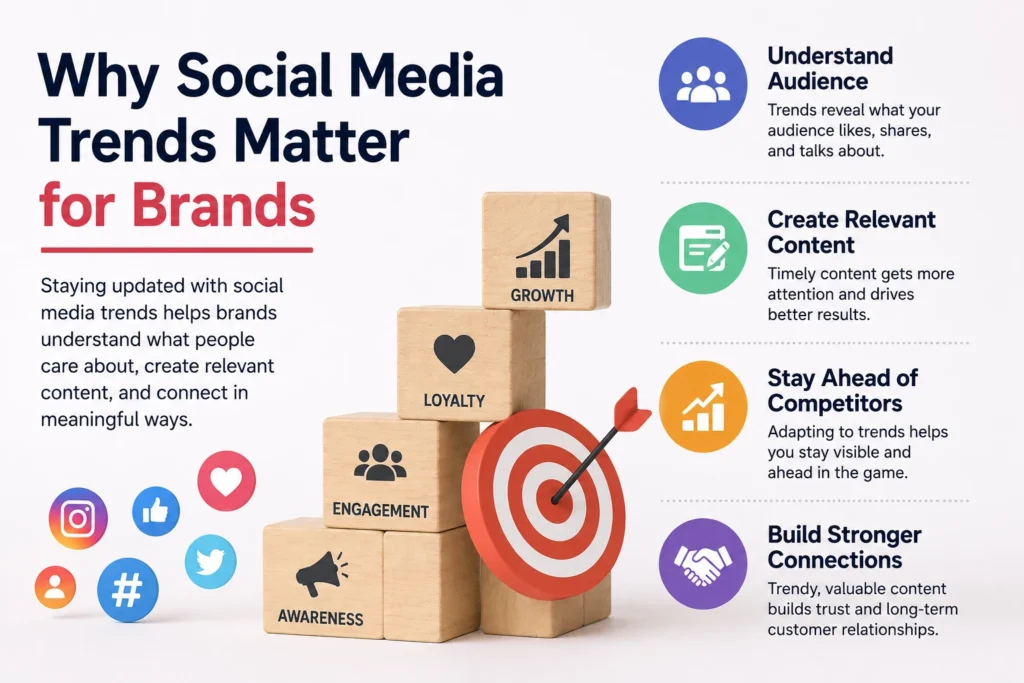
Social media trends influence how audiences consume content, interact with businesses, and respond to marketing campaigns. Strategies that delivered strong results last year may not be as effective in today’s social media landscape. Platform algorithms continue to reward timely, engaging, and native content. That means brands that stay current often reach more people organically. Trends also reveal what audiences care about in real time. From content style to platform behavior, these shifts help marketers make smarter decisions. Keeping up with social media marketing trends is no longer optional. It has become a practical strategy for improving visibility, strengthening brand awareness, and staying competitive online.
💚 You might also like: Top AI Tools for Students and Learning in 2026
The Rise of Short-Form Video
Short-form video continues to dominate nearly every major social platform. Instagram Reels, TikTok videos, and YouTube Shorts are shaping how users consume content daily. These formats are fast to consume, easy to watch on mobile devices, and built to capture attention while users scroll through busy feeds. For brands, short-form video creates more opportunities to educate, entertain, and sell without needing expensive production. It feels fast, personal, and easy to consume. Many marketers now build content calendars around video-first strategies because video consistently delivers stronger reach than static image posts. In 2026, short-form video remains one of the most effective tools for social media growth.
Why Short-Form Video Drives More Engagement
People naturally engage more with video because it feels dynamic and easier to consume. Short videos capture attention within seconds and encourage likes, comments, shares, and saves. Algorithms also tend to push video content more aggressively. That extra reach gives brands more exposure without increasing ad spend, making video one of the strongest organic growth tools available right now.
Best Short-Form Video Formats for Brands
Brands are seeing strong results with product demos, behind-the-scenes clips, customer reactions, tutorials, trend-based storytelling, and quick educational videos. The strongest-performing videos usually feel simple and natural instead of overly scripted. Audiences respond better to content that feels relatable, useful, or entertaining while still matching the brand’s voice and message.
How to Build a Video-First Content Strategy
A strong video-first strategy starts with understanding audience behavior. Focus on short topics people care about, strong opening hooks, captions for silent viewing, and consistent posting. Repurposing one idea into Reels, Shorts, and TikTok content also helps brands stay efficient while increasing reach across multiple social media platforms.
AI in Social Media Marketing
Artificial intelligence is becoming a major part of modern social media marketing. Brands now use AI to generate captions, write post ideas, analyze trends, suggest hashtags, and speed up content workflows. This has made content production faster and more scalable, especially for teams managing multiple platforms. But speed alone is not enough. Consumers still expect originality and human connection. Hootsuite reports that while AI adoption is increasing quickly, audiences remain cautious around overly automated brand content. The strongest brands are using AI behind the scenes for efficiency while keeping their public-facing content authentic, creative, and human-centered.
The Shift Toward Authentic Content
Audiences in 2026 are more selective than ever. They scroll past overly polished ads quickly, but stop for content that feels real. That shift has changed how brands communicate online. Authentic content now performs better because it feels human, relatable, and trustworthy. People want to see real stories, honest messaging, behind-the-scenes moments, and content that reflects everyday experiences. According to Sprout Social research, consumers say authenticity is one of the biggest reasons they engage with brands online. Businesses that focus less on perfection and more on connection are building stronger communities and earning more long-term trust through social media.
The Growth of Micro-Influencer Marketing
Influencer marketing continues to grow, but the strategy behind it has changed. Many brands are moving away from celebrity partnerships and investing more in micro-influencers and niche creators. These creators often have smaller audiences, but their communities are more engaged and more likely to trust recommendations. That trust often leads to stronger conversions. Micro-influencers also feel more accessible and authentic, which aligns with how social media users behave today. For many businesses, especially small and mid-sized brands, influencer partnerships are becoming less about reach alone and more about credibility, audience fit, and measurable results.
Why Micro-Influencers Deliver Better Results
Micro-influencers often build stronger relationships with their followers because their content feels more personal and community-driven. Their audiences are usually highly specific and more engaged around shared interests, because of that, sponsored recommendations often feel natural instead of promotional. This leads to higher engagement rates, better trust, and stronger purchase intent compared with larger creator partnerships.
Choosing the Right Influencers for Your Brand
The best influencer partnerships start with audience alignment. Brands should look beyond follower count and focus on relevance, engagement quality, content style, and shared values. A smaller creator with the right audience often performs better than a larger creator with a broad reach. Strong partnerships feel natural to both the brand and the creator’s community.
Measuring Influencer Campaign Performance
Tracking influencer performance helps brands understand what delivers real business value. Key metrics often include engagement rate, reach, clicks, conversions, affiliate sales, and brand mentions. Many marketers also measure saves and shares because they signal deeper audience interest. Looking at both awareness and conversion data gives a more complete picture of campaign success.
Social Commerce and Trends
Social commerce has become one of the biggest shifts in digital marketing. Social platforms are no longer just places where people discover products. They have now become platforms where users can discover products and complete purchases without leaving the app. Features like Instagram Shop, TikTok Shop, product tagging, and in-app checkout have made the path from discovery to purchase much shorter. Consumers can see a product, watch it in use, read comments, and buy without leaving the app. This seamless buying experience is changing customer behavior fast. For e-commerce brands especially, social commerce is becoming a major driver of conversions and online revenue growth.
Best Social Media SEO Strategies
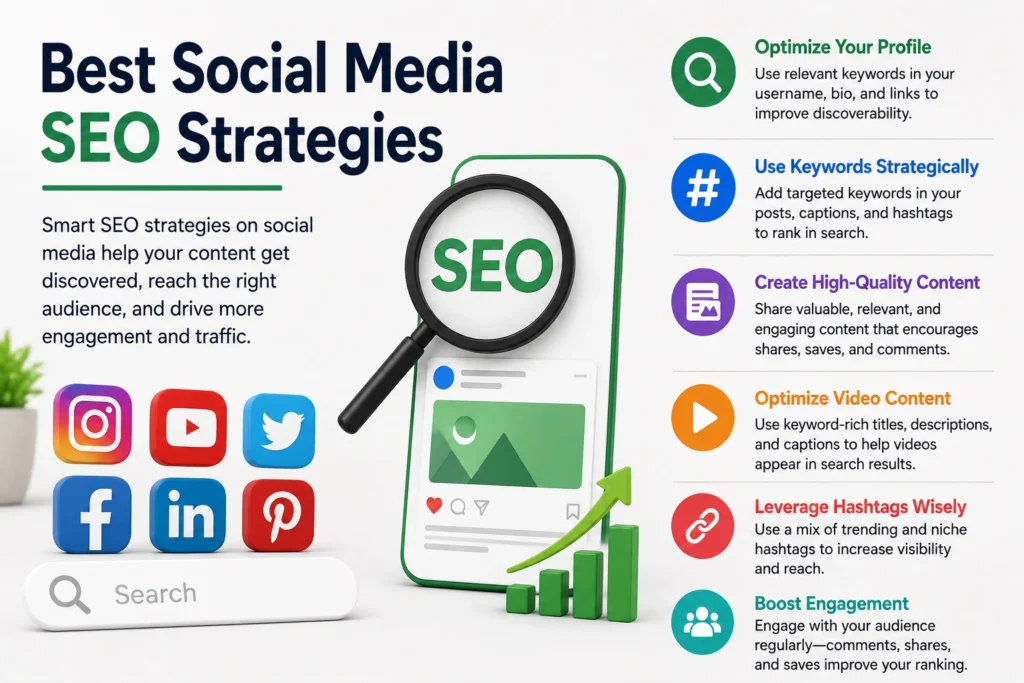
Social media SEO is becoming a core part of content strategy. More users now search directly on TikTok, Instagram, YouTube, and Pinterest instead of using traditional search engines first. That means captions, keywords, video titles, profile descriptions, and on-screen text now matter more than hashtags alone. Content optimized for search can continue bringing traffic long after publishing. Brands that understand platform search behavior have a stronger chance of being discovered organically. In 2026, social media visibility is no longer only about posting consistently. It is also about making content searchable, relevant, and easy for users to find.
💚 You might also like: Top Business Trends in 2026 You Need to Know
And Social Media Marketing Trends Comparison
Every trend creates value in a different way. Some improve engagement, while others help with conversions, discoverability, or long-term loyalty. That’s why the smartest brands rarely rely on one strategy alone. Instead, they combine multiple trends based on business goals, audience behavior, and platform performance. A B2C brand may prioritize short-form video and social commerce, while a service-based brand may focus more on SEO content and community building. Comparing social media marketing trends side by side makes it easier to identify where to invest time, budget, and creative energy for the strongest return.
Trend Comparison by Platform, Impact, and Use Case
| Trend | Best Platform | Business Impact | Best Use Case |
| Short-Form Video | TikTok / Instagram Reels | High Engagement | Brand Awareness |
| AI Content Creation | Multi-Platform | Faster Production | Content Scaling |
| Micro-Influencer Marketing | Instagram / YouTube | Strong Trust | Product Promotion |
| Social Commerce | Instagram / TikTok Shop | Higher Conversions | Online Sales |
| Social SEO | TikTok / YouTube | Organic Reach | Content Discovery |
The Future of Social Media Marketing
The future of social media marketing will likely become more personalized, search-driven, and community-focused. Platforms are evolving quickly, but audience expectations are changing even faster. Users want content that feels relevant, helpful, and tailored to their interests. AI will continue to shape workflows, but authenticity will remain just as important. Social commerce will expand, video will stay dominant, and search behavior inside social apps will keep growing. At the same time, brands will need to focus more on trust, direct audience relationships, and long-term brand value. The future belongs to businesses that stay adaptable without losing their identity.
Frequently Asked Questions
What are the top social media marketing trends in 2026?
Short-form video, AI content creation, influencer marketing, social commerce, and social media SEO are leading the biggest changes in 2026.
Why is short-form video important for marketing?
Short-form video captures attention quickly, increases engagement, and performs well across nearly every major social platform.
Is influencer marketing still effective in 2026?
Yes, especially with micro-influencers, who often build stronger trust and better engagement with niche audiences.
What is social media SEO?
Social media SEO is optimizing content with keywords so users can discover it through search on platforms like TikTok, Instagram, and YouTube.
How can businesses keep up with social media trends?
By following industry reports, watching platform updates, tracking audience behavior, and testing content regularly.
Conclusion
Social media marketing trends continue to evolve, but the core goal remains the same: building meaningful connections with your audience. Brands that adapt early, create valuable content, and stay consistent are more likely to grow their reach, engagement, and long-term results in 2026 and beyond.
✨ Want bite-sized tech wisdom? Follow Tech Baaz.