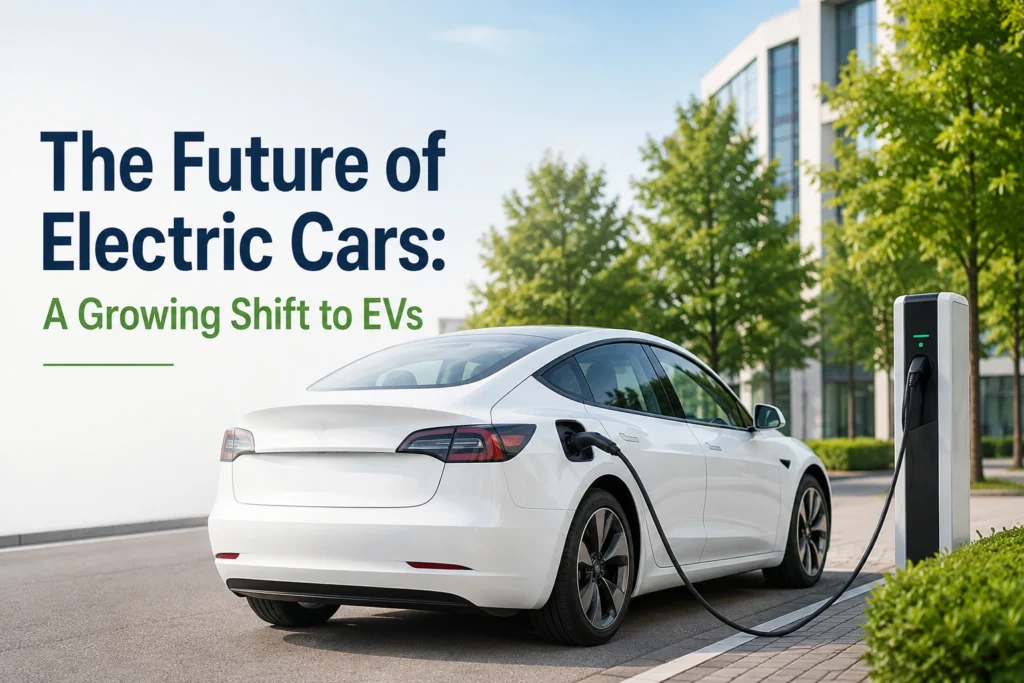
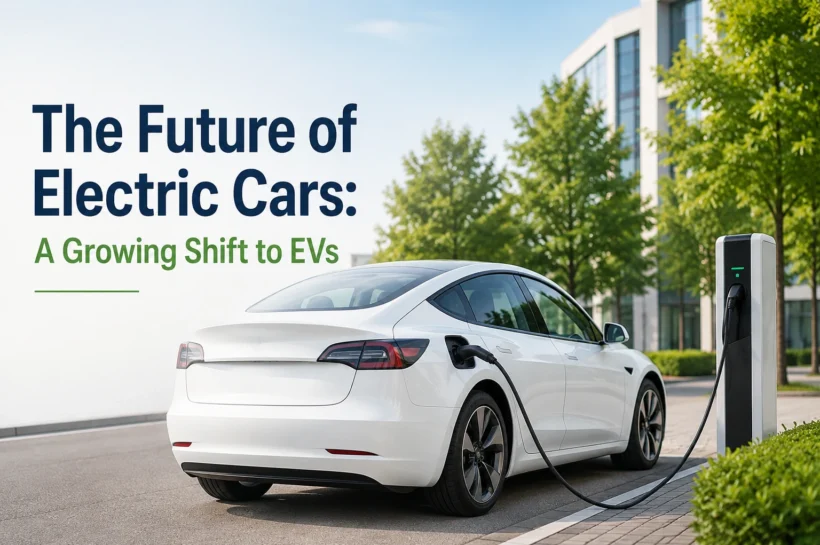

The Future of Electric Cars: A Growing Shift to EVs
Electric cars are changing the automotive industry faster than ever before. As fuel prices continue to rise and people become more concerned about the environment, many drivers are choosing electric vehicles (EVs) over traditional gasoline-powered cars. Modern electric cars offer excellent performance, lower maintenance costs, and advanced technology that makes driving safer and more enjoyable.
Whether you are planning to buy your first electric vehicle or simply want to understand why they are becoming so popular, this guide explains everything you need to know about electric cars and their future.
What Is an Electric Car?
An electric car is a type of vehicle that runs on one or more electric motors rather than a traditional gasoline or diesel engine. It uses a rechargeable battery pack that stores electricity and supplies power to the motor.
Unlike conventional vehicles, electric cars produce no exhaust emissions while driving. This makes them a cleaner and more environmentally friendly transportation option.
How Electric Cars Work
Electric vehicles are designed with fewer moving parts than traditional cars. Their main components include:
Battery Pack
The battery stores electrical power and supplies energy to operate the vehicle. Modern lithium-ion batteries provide longer driving ranges and faster charging times than older battery technologies.
Electric Motor
The electric motor converts electricity into mechanical energy, allowing the wheels to move smoothly and efficiently.
Charging System
Drivers can recharge their vehicles at home, at work, or at public charging stations. Depending on the charger, charging can take anywhere from 30 minutes to several hours.
Benefits of Owning an Electric Car
Electric vehicles provide several advantages for drivers.
Lower Fuel Costs
Charging an electric vehicle generally costs much less than filling a gasoline tank. This helps drivers save money over time.
Reduced Maintenance
Electric cars have fewer mechanical parts, meaning they require less maintenance. There are no oil changes, fewer fluid replacements, and less engine wear.
Environmentally Friendly
Since electric vehicles produce zero tailpipe emissions, they help reduce air pollution and greenhouse gas emissions.
Quiet and Comfortable Ride
Electric motors operate almost silently, creating a smoother and more relaxing driving experience.
Instant Acceleration
Electric motors deliver maximum torque immediately, allowing many EVs to accelerate faster than traditional vehicles.
Common Types of Electric Vehicles
There are several categories of electric vehicles available today.
Battery Electric Vehicles (BEVs)
These vehicles operate entirely on electric power and must be charged using an external power source.
Plug-in Hybrid Electric Vehicles (PHEVs)
These vehicles use a combination of a gasoline engine and an electric motor for power. Drivers can use electricity for shorter trips while relying on fuel for longer distances.
Hybrid Electric Vehicles (HEVs)
Hybrid vehicles recharge their batteries through regenerative braking and the gasoline engine. They do not need external charging.
Charging an Electric Car
Charging options continue to improve as EV infrastructure expands.
Home Charging
Most owners charge their vehicles overnight using a home charger, making it convenient for daily driving.
Public Charging Stations
Public charging stations are becoming more common in shopping centers, parking lots, highways, and workplaces.
Fast Charging
Fast chargers can recharge many electric vehicles to around 80% battery capacity within 30 to 45 minutes.
Challenges of Electric Cars
Although electric vehicles offer many benefits, there are still some challenges.
Charging Availability
Some rural areas still have limited charging infrastructure, making long-distance travel less convenient.
Higher Purchase Price
Electric vehicles often cost more up front than traditional cars. However, the lower operating expenses can make up for this difference over time.
Battery Replacement
Battery replacement can be expensive, although most manufacturers provide long-term warranties that cover battery performance.
💚 You might also like: Best AI Research Tools for Students in 2026
Safety Features in Modern Electric Cars
Most electric vehicles come equipped with advanced safety technology.
Some common features include:
- Automatic emergency braking
- Lane departure warning
- Adaptive cruise control
- Blind spot monitoring
- Rear-view cameras
- Parking assistance
- Collision avoidance systems
These technologies help reduce accidents and improve overall driving safety.
Tips Before Buying an Electric Vehicle
Before purchasing an EV, consider these important factors.
Check Driving Range
Choose a vehicle with enough battery range to match your daily travel needs.
Evaluate Charging Options
Ensure you have convenient access to home charging or nearby public charging stations.
Compare Battery Warranty
A longer battery warranty offers greater peace of mind and protects your investment.
Consider Maintenance Costs
Although maintenance is generally lower, compare service costs and availability in your area.
The Future of the Electric Cars
The future looks extremely promising for electric vehicles. Battery technology continues to improve every year, allowing longer driving distances and faster charging.
Many governments are investing heavily in charging infrastructure and offering incentives to encourage EV adoption. Major automotive manufacturers are introducing new electric models with better performance, improved safety, and more affordable pricing.
Experts expect electric vehicles to become the dominant form of personal transportation during the coming decades as technology continues to evolve.
Conclusion
Electric cars represent one of the biggest innovations in the automotive industry. They provide lower running costs, cleaner transportation, quieter driving, and impressive performance. Although challenges such as charging infrastructure and initial purchase prices still exist, continuous technological advancements are making electric vehicles more practical than ever before.
For anyone planning to purchase a new vehicle, an electric car is now a serious option worth considering. As battery technology improves and charging networks expand, electric vehicles will continue shaping the future of transportation around the world.
✨ Want bite-sized tech wisdom? Follow Tech Baaz.